

This excerpt from Jack Douglas Forbes's Columbus and Other Cannibals: The Wétiko Disease of Exploitation, Imperialism, and Terrorism (Seven Stories Press, New York, 2008, pp. 181-183; revised edition) was published by Wahinkpe Topa (Four Arrows) and Darcia Narvaez, PhD, in their book Restoring Kinship Worldview (North Atlantic Books 2022, pp. 127-129). The American anthropologist, historian, political activist, poet…
Tag: Translations
Janine M. Benyusová: BI-O-MIM-IK-RY or Nature's Responses / Why Biomimicry Now?

“We must draw our standards from the natural world. We must honor its boundaries and the mysteries that lie beyond them with prudent humility, and admit that there is something in the order of being that clearly exceeds all our capabilities.”Václav Havel Janine Benyusová is a biologist, writer, and innovation consultant. After writing books on wild animals and their behavior (Beastly behaviors: a zoo…
Practical respect: An interview with Robin Wall Kimmerer

“We are reinvesting in communities that care and are compassionate not only with each other but with the Earth. I think we are really moving towards a kind of interspecies justice and we are starting to realize that this mutual responsibility that we have for each other is our primary spiritual responsibility. It is not just pragmatic, it is ‘practical respect.’” Robin Wall Kimmerer This interview…
Glenn Albrecht: Enter the Symbiocene
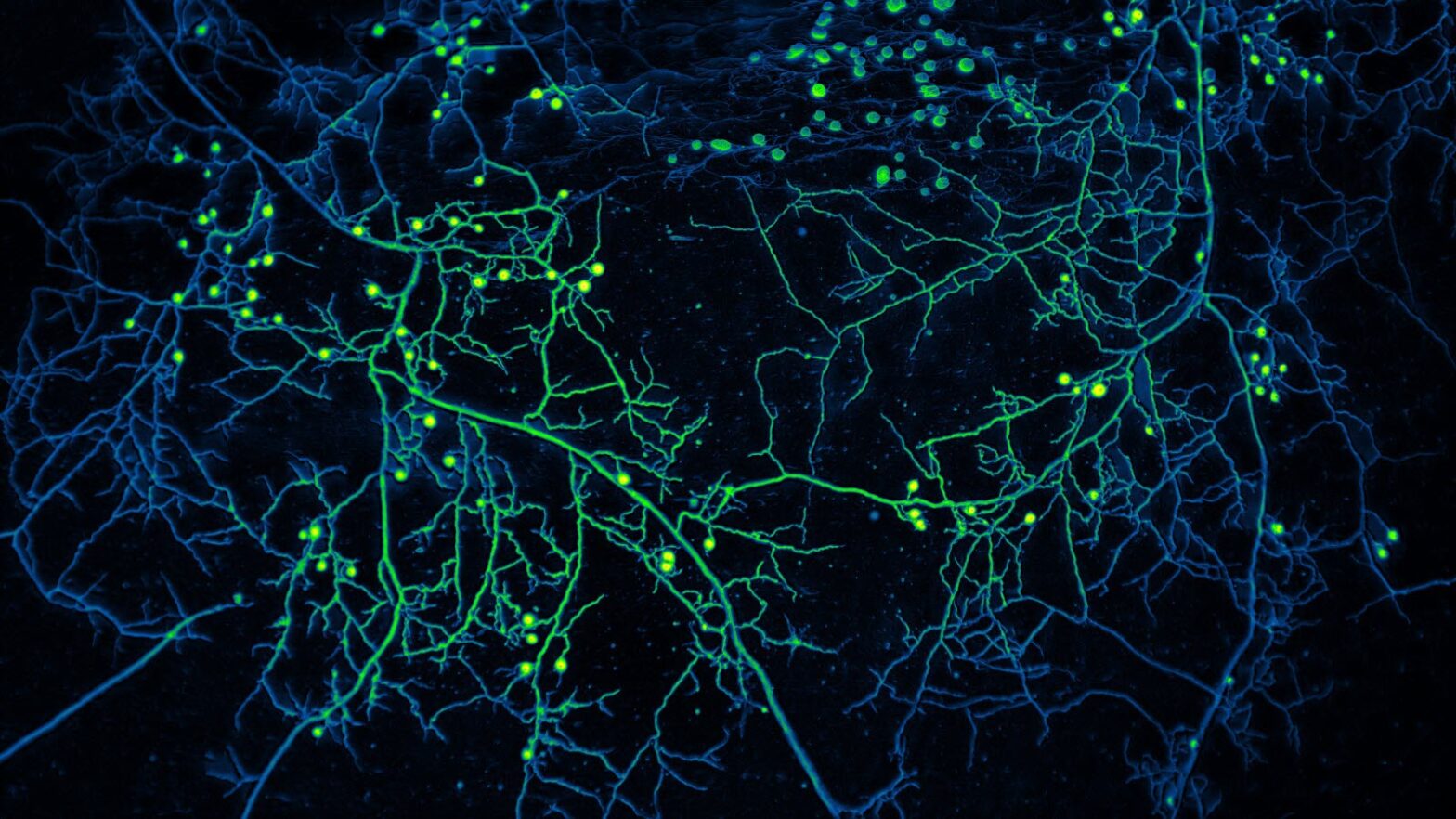
In the Anthropocene, the so-called new normal is characterized by uncertainty, unpredictability, chaos, and relentless change. Shouldn’t we rather think of this era as a new abnormality? Environmental philosopher Glenn Albrecht argues that we need to move on from the Anthropocene story, and proposes the Symbiocene (from the Greek sumbiosis, or community) as the next epoch. The scientific meaning of the word “symbiosis” means living together in harmony…
Andreas Weber: For a culture of radically shared vitality

This proposition was created during the first WorldEthicForum strategy weekend on October 2 and 3, 2021 in Scharans (Grisons, Switzerland) based on a proposal by Andreas Weber and in collaboration with Martin Otto. If you identify with these or similar principles and want to contribute to the revitalizing transformation of our world, you are cordially invited to participate in the WorldEthicForum. Translated by Alena Malíková and Jiří Zemánek. Principles and initial challenge of the WorldEthicForum …
Biomimicry, Climate Change, and Architecture: An Interview with Michael Pawlyn

“All my work is motivated by frustration with the word ‘sustainable’. The word suggests something that is merely adequate, but we should be looking for truly regenerative solutions. We have moved from controlling nature to learning from its elements, but today we should be looking for complete reconciliation with the natural world.” Michael PAWLYN Michael Pawlyn is a British architect and one of the current…
David Abram: In the Heart of the World

An excerpt from David Abram's book Becoming an Animal – Earthly Cosmology (HOST, Brno 2024), from the final thirteenth chapter “Conclusion / In the Heart of the Heart of the World” (pp. 347-354); translation: Jiří Zemánek. According to a story that was once passed down in various forms among numerous indigenous peoples around the world — among Aboriginal elders in Australia and indigenous storytellers in North America, among the ancient Maya…
David Abram: The Language of Things

David Abram is a leading American ecophilosopher, storyteller, visionary, and one of America's finest nature writers. In his work, which addresses critical environmental and ecological issues today, he combines the philosophical tradition of phenomenology with the rich lessons of the animist worldview of indigenous cultures. He is the author of The Spell of the Sensuous (1996; Czech: Kouzlo smyslů, DharmaGaia 2013) and Becoming Animal…
Jeremy Lent: The Web of Meaning or The Future is Not a Sports Spectacle

“Patterns of meaning have been shaped by history. How will our own patterns shape the future?” Jeremy Lent Here is an excerpt from Jeremy Lent’s book The Web of Meaning: Integrating Science and Traditional Wisdom to Find Our Place in the Universe (New Society Publishers 2021), from the final thirteenth chapter, “Weaving a New Story,” which the author published under the title “The Future is Not…
Jeremy Lent: To address the risks of AI, we need to develop integrated intelligence
The explosive growth of artificial intelligence poses an existential risk to humanity. To confront this risk and potentially change the trajectory of our civilization, Jeremy Lent argues, we need a more comprehensive understanding of the nature of human intelligence and the fundamental requirements for human flourishing. If we want to make “artificial intelligence” more humane, let’s acknowledge and value our “living intelligence,” the author urges in this essay that…