

“Patterns of meaning have been shaped by history. How will our own patterns shape the future?” Jeremy Lent Here is an excerpt from Jeremy Lent’s book The Web of Meaning: Integrating Science and Traditional Wisdom to Find Our Place in the Universe (New Society Publishers 2021), from the final thirteenth chapter, “Weaving a New Story,” which the author published under the title “The Future is Not…
Category: Texts
Jeremy Lent: To address the risks of AI, we need to develop integrated intelligence
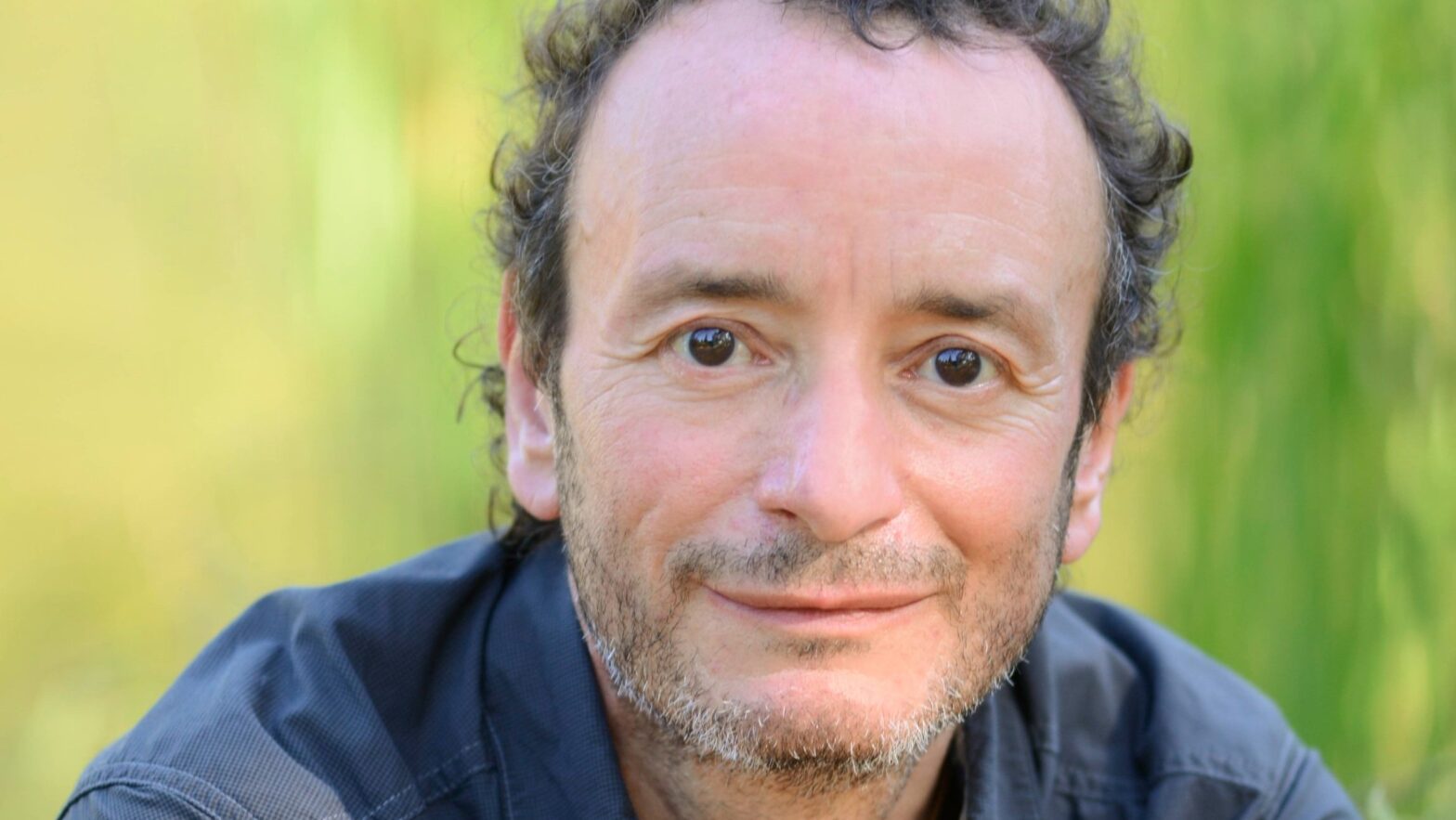
The explosive growth of artificial intelligence poses an existential risk to humanity. To confront this risk and potentially change the trajectory of our civilization, Jeremy Lent argues, we need a more comprehensive understanding of the nature of human intelligence and the fundamental requirements for human flourishing. If we want to make “artificial intelligence” more humane, let’s acknowledge and value our “living intelligence,” the author urges in this essay that…
Ferdinand Ludwig: The Introduction of Uncertainty or On Baubotany

“We can only cope with the environmental crisis if we accept uncertainty and value it as the basis of our design work.” Ferdinand Ludwig Ferdinand Ludwig is a German architect who is a pioneer and innovator in the field of baubotany, the architectural realm of living plant structures. In 2012, he graduated from the University of Stuttgart with a dissertation on “Botanical Foundations of Baubotany and Their Use in Design.” Today, he is…
Rediscovering our earthly emotions – an interview with environmental philosopher Glenn Albrecht

Glenn Albrecht is an Australian philosopher and ecologist who was for many years Professor of Sustainability at Murdoch University in Western Australia and is now an Honorary Associate Professor in the School of Geosciences at the University of Sydney. In his book Earth Emotions (2019), he argues that we have lost awareness of our deep and long-standing connection to nature and that we no longer have the words to…
Indigenous technologies could change the way we design cities – an interview with Julia Watson

“These LO-TEK technologies are born from symbiotic relationships with our environment, where humans live in symbiosis with natural systems. That’s where we need to move today. We are not superior, we are not working against nature or threatening it, we need to be in symbiosis with it. We need to change this idea of superiority to an understanding of symbiosis.” Julie Watson Julia Watson (born 1977) is an Australian landscape architect and…
Glenn Albrecht: Sumbiocracy
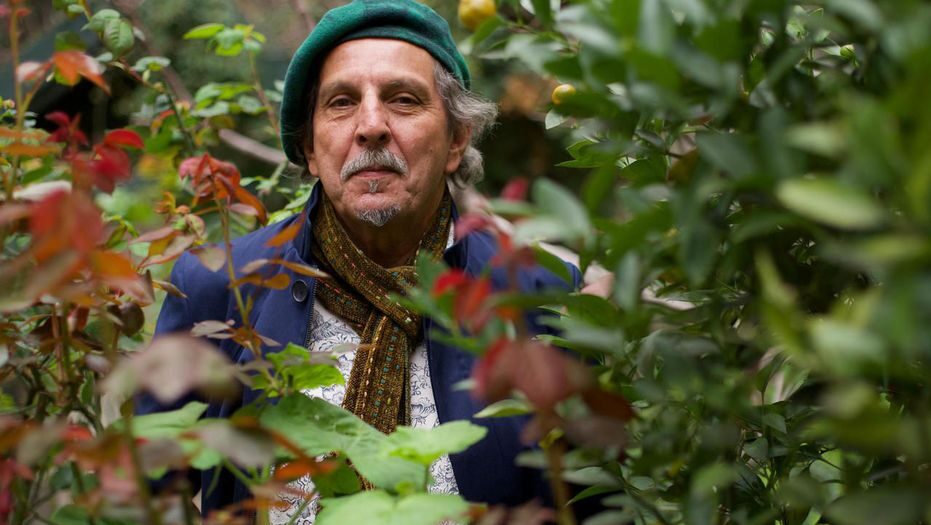
Glenn Albrecht (born 1953) is an Australian environmental philosopher, best known for coining the neologisms solastalgia and symbiocene. He is a theoretical and practical researcher on the relationship between ecosystems and human health. He is a pioneer in the field of research into "psychoterratic" or Earth-related mental health conditions - the concept of "solastalgia". He characterizes solastalgia as a form of emotional or existential anxiety caused by environmental changes;…
Jeremy Lent: "The Elephant in the Room" or Solving the Climate Crisis Requires the End of Capitalism

Jeremy Lent is an American philosopher, writer, and lecturer who explores the root causes of our civilization’s existential crisis and seeks ways to create a life-sustaining future. He explores this in depth in his recently published book The Web of Meaning: Integrating Science and traditional Wisdom to find our Place in the Universe.
Cormac Cullinan: If Nature Had Rights
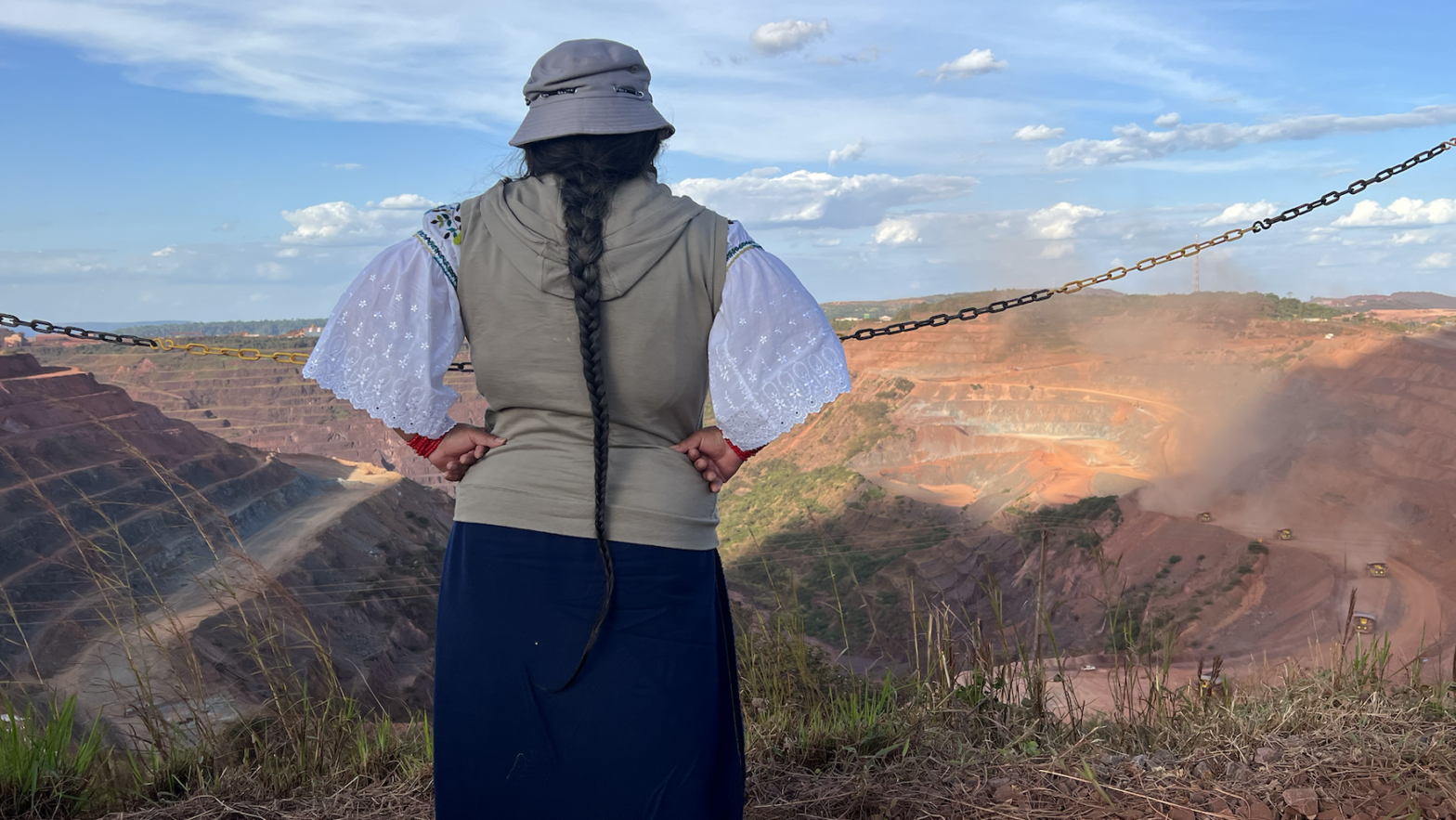
In this provocative essay, published in the January/February 2008 issue of Orion magazine (online here), South African environmental lawyer Cormac Cullinan imagines what nature could gain and what humans could “lose” if nature were given legal protection. Essay translation: Jiří Zemánek. Cormac Cullinan is the author of Wild Law: A Manifesto for Earth Justice (Green Books, Cambridge…
David R. Boyd: A river becomes a legal entity

This excerpt from Canadian lawyer and activist David R. Boyd's book The Rights of Nature: A Legal Revolution that Could Save the World (ECW Press, Toronto 2017, pp. 131-143 / translated and edited by Jiří Zemánek) – in which the author describes the emergence of the contemporary nature rights movement – depicts the deep relationship of the Maori people to the Whanganui River and their dispute with the British…
David R. Boyd: Te Urewera, the ecosystem formerly known as a national park

David R. Boyd is a Canadian lawyer, activist, and diplomat who is the UN Special Rapporteur on human rights and the environment. In his influential book The Rights of Nature: A Legal Revolution that Could Save the World (ECW Press, Toronto 2017), a “real-life legal thriller” (D.…