

This article by Freya Mathews was originally published under the title 'Living with Animals' in Animal Issues (vol I, no I, 1997. pp 4-16); translated by Jiří Zemánek. Freya Mathews is also the author of Without Animals Life Is Not Worth Living (Ginninderra Press 2016), in which she develops the key idea of this article, that the company of animals is indispensable to human life, in an engaging story about Pookie the pig and the philosopher.
"No animals," says Peter, a Maasai nomad interviewed by the magazine New Internationalist"It's not worth living."
As I sit here in my backyard writing these lines, surrounded by a circle of attentive dog and cat faces, my grumpy duck tugging at my shoelaces, I cannot help but agree wholeheartedly with this statement. But how many people today would share such a view? For how many would it be football that makes life worth living, or cars, opera, or ice skating? Is there anything to support the belief I am here to defend, that the companionship of nonhuman animals is a necessary part of human life in a way that football, cars, opera, and ice skating clearly are not, and that we give up or renounce animal companionship at our peril?
This question has two parts. The first is: Is it important for us, for our own well-being or for the realization of our human potential, to live in intimate coexistence with animals? And the second is: Is it important for the environment that we live in such relationships? Does the world need us to continue to live in communion with animals as we have known it since our ancestors?
I believe that our current alienation from nature (as evidenced by the environmental crisis) and from ourselves (as evidenced by the intense neuroticization of life in contemporary “advanced” societies) is at least in part due to the gradual elimination of animals from our everyday urban reality; therefore, I will argue that to address both the environmental crisis and our own crisis of consciousness, we must find a way to bring animals back into our human household.
I cannot hope to exhaust here the discussion that this question invites, or even to grasp its broader implications. I will offer only a few relatively simple arguments in favor of human-animal coexistence, and then present a very personal reflection on the deeper cosmological significance of these relationships, as I have been able to uncover them through my own experience.

Our need for animal companionship
So are intimate relationships with animals fundamental to our human well-being? Research has already shown that people who enjoy daily companionship with animals, or who are, as they are now called, “pet owners,” are healthier in a variety of ways than people who do not own animals: they visit the doctor less often, take fewer medications, have lower cholesterol and blood pressure levels, recover from illness more quickly, and suffer less from feelings of loneliness. It is estimated that “pet ownership” saves the Australian health system one and a half billion dollars a year.
Why is this so? One reason may be that animal friendships relieve many of the social pressures in our lives. Animals are non-judgmental friends. They do not compete with us. Therefore, we can relax with them and enjoy spontaneous affection and cathartic physical closeness: in the presence of such companions we can “be ourselves” because they have no socially acquired expectations of us. They provide us with emotional and psychological relief.
Animal companionship can further reduce stress. Emotional engagement with creatures who do not share our human goals and aspirations, our value system, allows us to gain an outside perspective on those values. It allows us to imagine how strange or arbitrary our human priorities may seem from a nonhuman perspective. When seen in this light, socially prescribed imperatives hold us back—we can gain a certain distance, a certain detachment from them. We become less driven, less enslaved by abstract ideals and notions, and are therefore more receptive to our real bodily and instinctual needs, more accepting of ourselves with all the health and healing implications that this entails.

It doesn't seem too far-fetched to me to think that there might even be a direct physiological dependence on animal companionship that would help explain why people who enjoy animal companionship are healthier than others. Some evolutionary theorists now argue that our ancestors' genetic "contract" with certain animals—especially dogs—allowed us to develop the traits that define us as humans today. According to this theory, it was our association with dogs—initiated at least in part by dogs themselves, perhaps as early as a hundred thousand years ago—that allowed our ancestors to dispense with something that is otherwise essential to mammalian predators, namely a keen sense of smell. When dogs agreed to join us on our hunts, they could now sniff for us. By delegating the function of smell to dogs in this way, we were able to dispense with our snouts. This gave us frontal vision and thus better hand-eye coordination, which in turn was a prerequisite for the development of our tool-making abilities. The retracting of the snout also led to a smaller and more refined tongue, which became capable of producing the short, highly differentiated sounds needed for speech. According to this theory, we became human because of our functional interdependence with dogs. (This theory adds a wonderfully literal dimension to the Aboriginal myth of the origin of man, so beautifully recounted by Deborah Bird Rose in her book Dingo Makes Us Human / Dingo makes us human.) The deal with the dogs in this scenario, of course, was that they were given food and shelter; history has clearly confirmed the evolutionary choice of the prapo.

If we accept this evolutionary story—and the fact that almost all known human societies have included dogs supports this—then it is possible that humans have a physiological need for contact with dogs. Our bodies may subconsciously respond to certain subtle dog emissions, just as women’s bodies may subconsciously respond to subtle menstrual signals from other women living nearby. If our agreement with dogs is indeed based on certain evolutionary imperatives, then it is not unreasonable to assume that it may be reinforced by other, more direct, physiological forms of interdependence. If all dogs were banned from our cities—and many outraged citizens are calling for such a ban—there could be a mass disease of the human population. Such disease could take a physical form, such as a decline in immunity; evidence supports this interpretation by suggesting that raising children without contact with (“dirty”) animals tends to weaken their immune systems, making them more susceptible to allergies. But the disease can also have a more psychological form - it can resemble the depression that is already epidemic in our "advanced" industrial civilizations almost devoid of animals. It can manifest itself as a vague feeling of incompleteness or meaninglessness, which leads to emotional need and compensation (in the form of) material acquisition. Or it can manifest itself as an existential loneliness that no amount of intraspecific socialization can alleviate.
Consider the latter possibility for a moment. If we have lived in intimate fellowship with, say, dogs for up to a hundred thousand years, wouldn’t it be likely that we have a strong psychological need for their company, a need that cannot be satisfied by human substitutes? Anyone who habitually walks in the open with a close canine friend can attest to the unique suitability of dogs as walking companions. With their infectious interest and joy in their surroundings, they leave us free to think our own thoughts and observe our surroundings carefully, while remaining faithfully in our orbit and maintaining an unobtrusive proximity to us. Anyone who has spent any time in aboriginal settlements can attest to the sense of well-being that a canine clan can provide to a human community, provided, of course, that the dogs themselves are not a source of danger. Their constant mingling with people, their presence at meetings and their forays onto the football pitch, their barking and nudging each other on the fringes of human activity, add a safe, sociable and friendly dimension to life that has been completely lost in larger cities. But it is not just dogs that provide us with a distinctive quality of companionship. Sitting in the garden with an affectionate duck can be a unique, peaceful diversion from the daily grind. Travelling with horses or camels can bring a much richer sense of wanderlust than travelling alone or with exclusively human company.
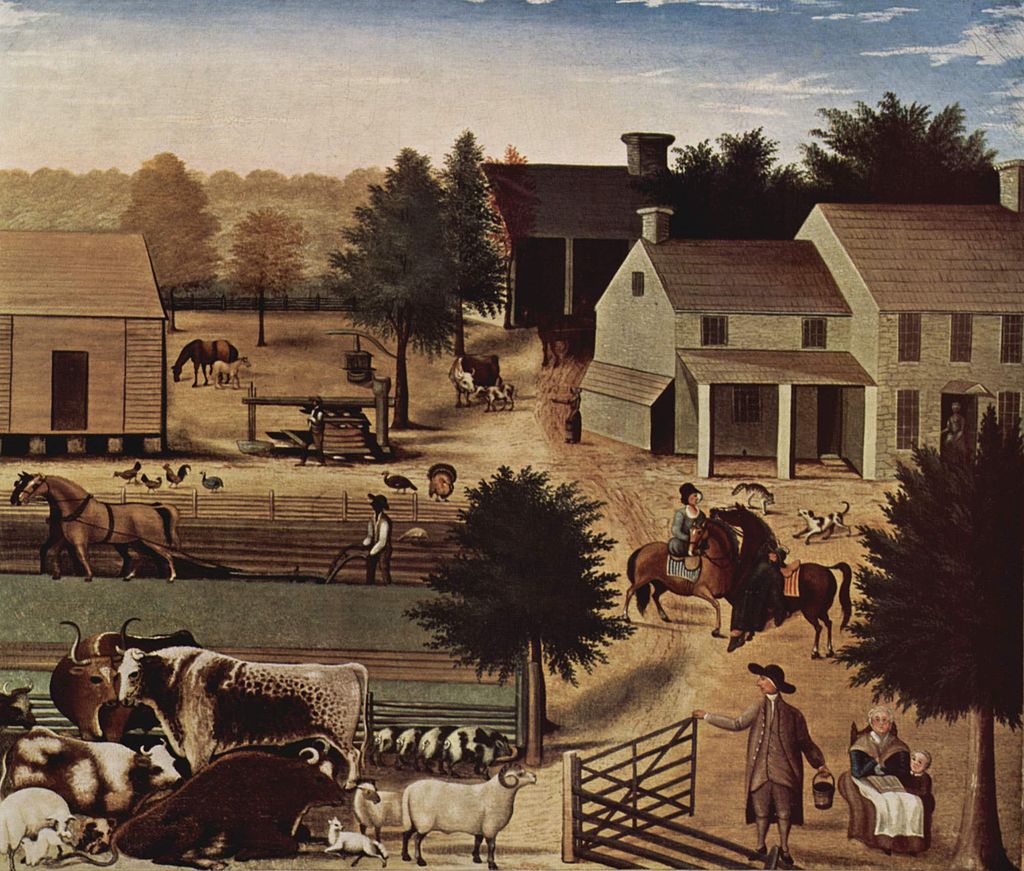
Given the emotional and psychological satisfaction we have experienced for thousands of years in the wider social world of “mixed society” of humans and animals, is it not reasonable to assume that we modern humans, deprived of this satisfaction, might feel unfulfilled and vaguely lonely, even though we have never experienced this satisfaction ourselves? And does not this unfulfillment and loneliness contribute to the social ills of modern life?
These are some of the reasons why it might be important for our own benefit to continue the ancient human tradition of living in mixed households or communities. But why it might be important for nature itself that we honor and maintain the commensal bonds with animals formed by our ancestors.
Why nature needs us to live in the company of animals
If animal companions help us to be less driven, less competitive, and less greedy for new things, as I argued earlier, then their presence in our lives counteracts the ethos of capitalism, which is destroying the world with its competitive individualism and consumerism. That is, if animals help us to come back to earth and reduce our modern ambitions and demands by exposing them to interspecies scrutiny, then we will be less eager to persist in the race for success, wealth, and power, because it is this race that drives the engines of capitalism on a mass scale. For to the extent that we share our lives with animals, we will be not only less willing but also less able to adapt to the regime of order and control, efficiency, and discipline that is a prerequisite for capitalist production: animals constantly disrupt our lives and our work with unpredictable accidents—escapes, fights, sudden illnesses, injuries, embarrassing slips. They bring an element of grotesqueness and anarchy to the cold, smart, and introspective world of business and public affairs. They make us miss work, they mess up the perfect clothes and hair that are essential to our image of “professionalism,” our representation in this public world, they spread shit and dirt across manicured gardens, and they leave paw prints in tidy homes that announce our hard-won social status. They subtly distract us from the obsessive drive that is characteristic of the modern ethos and that lies at the root of the ecological crisis: the drive to usurp and transcend nature, to stand above and beyond it, to inhabit a kind of glossy advertising version of Plato’s Paradise, where moths and rust do not harm because they are kept in check by our chemical weapons, and where thieves do not break in and steal because the place is guarded by security guards. In other words, if we stay in touch with our animal relatives, we have a better chance of seeing through the dangerous illusions of a world increasingly dedicated to capitalist ideals of wealth, power, and success, defined in stark contrast to, or directly at the expense of, nature.
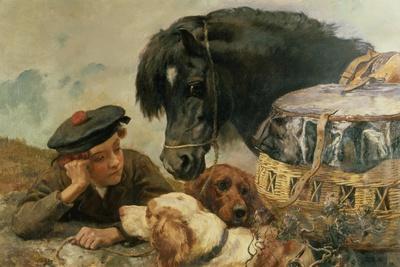
Another reason why we as environmentalists should support symbiotic relationships between animals and people, especially between animals and children, is that these relationships likely help develop human empathy for animals in general, including those living in the wild. When people discover the unique personality and communication abilities of their animal friends and relatives, they are logically drawn to attribute these abilities to other animals, and essentially give them the same level of respect that they realize they deserve for the animals they are familiar with. Animal companions can thus serve as “ambassadors” for animal life in general, awakening in us a new level of awareness and responsibility for the natural world.
But it must be admitted that this "ambassador" argument is at first sight open to challenge. First of all, what about the rural people we all meet, who have been in contact with animals all their lives, but who still treat all animals as if they were completely insignificant robots? Then there are the people who enjoy friendly relations with certain privileged animals, but treat others with callous indifference. How are we to explain that daily contact with animals in these cases has not led to a more considerate attitude towards animals in general?

One way to explain this is to hypothesize that it was the very fact of domestication, in its crudely instrumental forms, that led to our cultural objectification of animals. That is, according to some theorists, by bringing animals into our domestic space, raising them within the human clan, and then killing them for food or other purposes, we were in effect violating the taboo of violence against kin. The moral gravity of this transgression then required us to rationalize our actions by denying the moral significance of domestic—and by extension, other—animals and reducing them to the status of objects to be produced and consumed without the slightest qualms of conscience. In other words, to justify the exploitation of animals raised as kin in our human domain, we invented an ideology of animals as objects that effectively blinded us to their otherwise obvious subjectivity. Ideology can undoubtedly blind us to the subjectivity of others, as is clearly demonstrated by the phenomena of slavery, racism, and sexism in the human context. The mere fact that we keep “pets” or come into daily contact with other animals does not, therefore, ensure that we develop empathy for them. Communication between me and others can only occur when occlusive ideologies are exposed and removed. In order for our animal companions to serve as moral “ambassadors” for the animal world as a whole, anthropocentric prejudices must first be set aside.
If we accept that our animal companions inspire in us a new moral respect for animals in general, then the question arises about the status of domestic animals used for productive purposes. Does this new moral respect condemn the use of animals for such purposes? If so, it is indeed in the interests of the species concerned, since these species currently owe their existence to the fact that they are so used. How ironic would it be if the advent of this new moral respect led not to a renaissance for animals but to their further retreat, both from their current evolutionary strongholds and from our own lives? The question, then, is whether it is possible to reconcile empathy for animals with their domestic use.
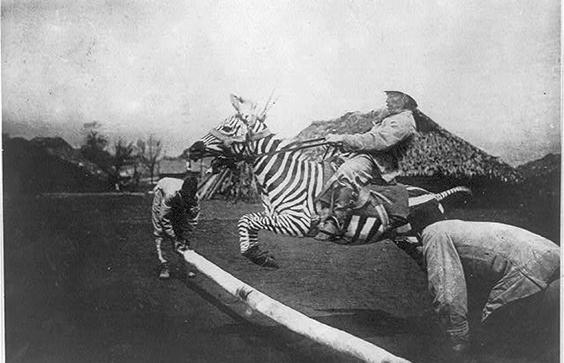
I think the short answer to this question is that such a reconciliation of empathy and utilization is possible to the extent that such utilization is of net benefit to the animals concerned. If these animals are viewed as species rather than individuals, it is clear that productive forms of domestication are of net benefit to them: domesticated animals are among the few animal species that are still thriving in a world of declining biodiversity. However, the empathy that comes from intimate relationships with animal companions leads us to view animals as individuals rather than mere specimens within a species. Thus, while reproductive success at the species level is clearly a necessary condition for the existence of the individual and, in this sense, in its interest, it is equally clearly not a sufficient condition for its individual well-being.
To reconcile the use of animals with empathy, we must be sure that the lives that our exploitative purposes bestow on individual domestic animals provide them with both the experiential opportunities and the necessary length of life to allow them to achieve a significant degree of self-realization appropriate to their particular species. This means that the way in which we can legitimately use animals will vary according to their species: what may be acceptable to one species with a particular set of needs and sensitivities may not be acceptable to another species that is differently equipped. While the humane killing of animals that are unaware of death may be permissible, the killing of animals that understand and fear death and that mourn their own dead (as elephants and perhaps chimpanzees do) may be completely unacceptable, because it would mean systematically inflicting unbearable suffering. From the perspective of the animals concerned, such suffering may cancel out the benefits of being alive. (This is evidenced by the fact that such animals can suffer to death when losing a loved one).
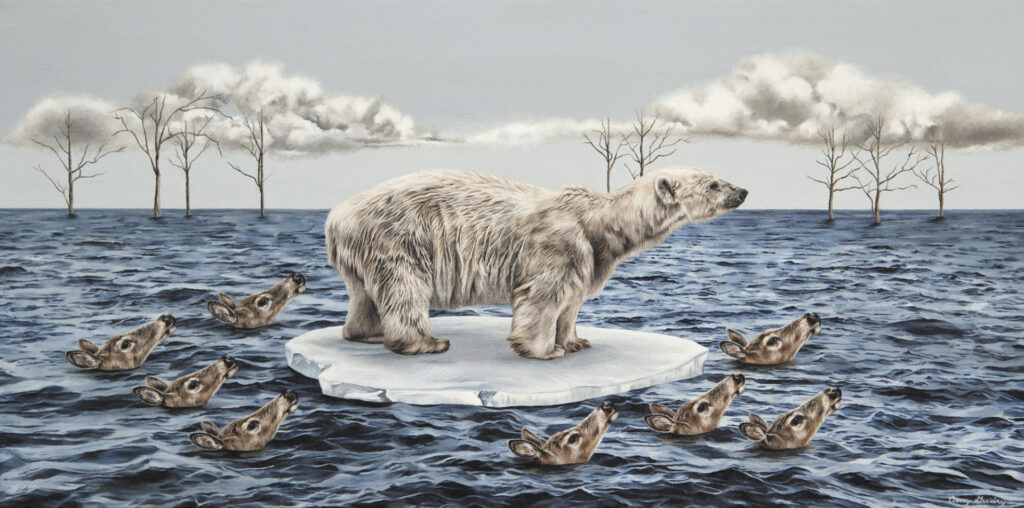
In short, I think that if the domestic use of animals provides evolutionary niches for certain species in today's world of otherwise disappearing niches, this is prima facie reason to consider such use compatible with respect. However, a fully empathetic attitude—the attitude we develop in intimate relationships with animal companions—requires that the forms of use we allow be compatible with the self-realization of the animals being used, which means that different forms and degrees of use will be appropriate for different species of animals. I would also like to add that once we recognize the subjectivity and moral significance of the animals we use, and the moral gravity of our practices of use, it is our duty to develop cultural expressions of respect, gratitude, and debt for the lives we have thus dedicated to our own ends. Our attitude toward domestic animals can thus come closer to the intimate relationship that hunters and gatherers have with the wild species that constitute their prey.
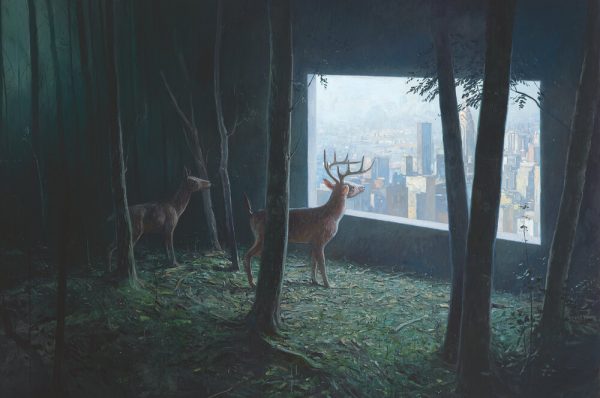
When the domestic use of animals is subject to the above conditions, I think it is not only consistent with empathetic concern for the interests of animals: it actually demands such concern. As environmentalists who advocate for the maximum protection of non-human life on Earth, and yet face the cold, hard reality that in the 21st century the processes of urbanization and industrialization, which are synonymous with the disenchantment and tragic devastation of the non-human world, will continue to accelerate and intensify, should we not realize that one of our best chances of “saving nature” is to return it to the human sphere? Over the past few centuries, we have witnessed a frenzied humanization of nature; now let us begin the mass naturalization of the human environment. Our cities represent one of the major biological habitats of the future, and our task as environmentalists will be to ensure that they provide the best opportunities for non-human life that we can devise. We can do this in part by increasing the amount of urban habitat for wildlife. Such habitats can be created through native plantings and permaculture food production programs in the city. Buildings can also be designed or modified to create, rather than exclude, homes for wildlife (for example, chimneys suitable for storks or roofs suitable for bats and nesting birds). But we can also increase urban opportunities for non-human life by finding new ways for animals in the city to “earn their living.”
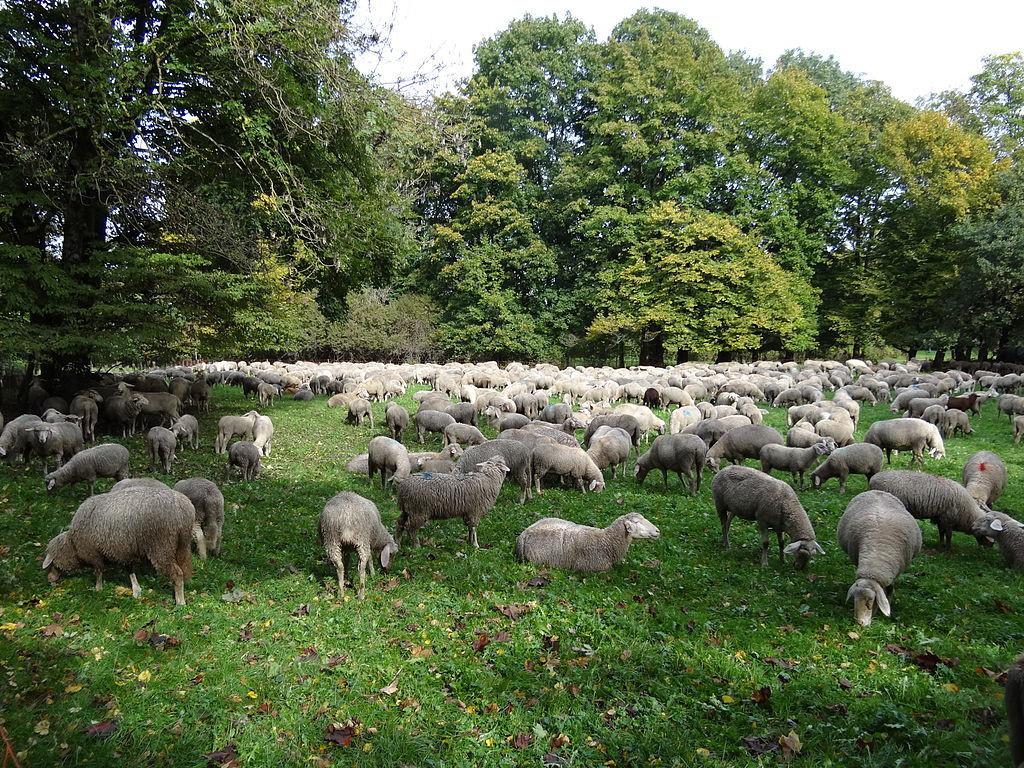
How might we imagine some of these new uses? The usefulness of sheep as lawnmowers has been appreciated by the church in my neighborhood, and there is no reason why other urban landowners, including local city halls, should not follow suit. In the Netherlands, sheep are also used to calm traffic, and a strategic use of horse harnesses could serve a similar purpose—for example, for tourist rides or to deliver milk. Urban farms also provide educational opportunities for urban schoolchildren who are increasingly removed from the realities of food production. The possibilities for productively involving animals in urban life are as limitless as our imaginations. However, the main way in which animals can “earn a living” in the city is through their role as companions. In this context, it is necessary to question the exclusive dominance of dogs and cats and to examine the adaptability of other animal species to the human hearth and home. Such a domestication program offers enormous scope for the protection of endangered native species in particular. Species such as the marten, the house cat, and the fruit bat are said to be affectionate and contented companions at the hearth, and the potential for domestication of many smaller, endangered wallabies, such as the quokka and the rabbit-like wallaby, is, to my knowledge, relatively unexplored. (On Rottnest Island, off the coast of Perth, quokkas have already adapted to a semi-domesticated life on a rubbish dump, which some evolutionary theorists believe is the first step towards domestication.) I believe that the aversion we as “animal lovers” have to the confinement of wild animals and the loss of autonomy that domestication brings must be balanced by the recognition that we as humans are just another niche in the biosphere, and that we are therefore ourselves part of nature (a niche that many species have successfully occupied of their own accord in the past). This reluctance must also be balanced by the hitherto unimagined possibilities of protection that domestication offers to animals.
The “green” city of the future would therefore be a mixed community rich in habitat options for a wide variety of animal species. This reintegrating of animals into human life would also help to expand our human imagination and our empathetic horizons, weaken anthropocentrism, and strengthen our commitment to protecting the non-human world. The numerous contacts with animals that would develop as a result would also enhance the health and well-being of the human population.

To imagine the green city of the future as a mixed community in this way would of course mean a major rethinking of current urban and environmental planning principles. Restrictions on pet ownership would need to be revised and new local council regulations would need to be created to allow for the responsible keeping of a wide range of ‘pets’. Housing would be designed with the needs of both wild and domesticated non-human inhabitants in mind. Such design requirements would not in themselves preclude the medium-density housing development currently favoured by ecological urbanists, but ‘urban densification’ would need to be balanced by a large increase in shared green spaces. Public spaces would also need to be made more animal-friendly, protected from traffic and with designated and reserved areas for the movement of different animal species (for example, dogs would need to be kept separate from donkeys, miniature pigs and quokkas!). Urban planners, who are currently focusing on very dense development in order to save energy and limit urban sprawl, forget that by excluding non-human beings from the city and creating human ghettos, they are intensifying the anthropocentric thinking of the urban population, thereby reinforcing the deepest roots of the ecological crisis. A green city is a city that not only saves energy and uses existing infrastructure, but also challenges the traditional conceptual division between man and nature; a city that becomes the boundary of ecological possibilities and opens up to its inhabitants the degree of contact with non-human life that is necessary to awaken their ecological sensitivity.
A Responsive World: Some Personal Reflections
These are some of the reasons why I believe that coexistence with animals is important for both us and them. But this belonging shapes not only our ethical attitudes toward nonhuman individuals and species, but also our perception of the world. I have not yet fully illuminated the broader significance of this relationship, nor can I hope to do so with any claim to completeness. But in order to capture at least a little of this cosmological significance, I would like to recount in these final pages the experiences that led to my own conviction that “without animals there is no point in living.”

I grew up surrounded by loving animals on what I would now describe as a hobby farm, situated in the countryside on the outskirts of Melbourne. These animals included dogs and cats, ducks, geese, chickens and once a turkey. Sheep and cows made a brief appearance. But the main focus of my entire childhood was ponies. My first pony and the horses that came after it were my lifelong friends and confidants. It was to them that I recited my first poems and to them that I ran when I was hurt or upset. They clung to me with the same gentleness and consideration, whatever the occasion. I chose their company not for the sake of family and friends, but for its own sake. The form of intimacy that developed between us was qualitatively different from anything that could develop between me and humans. It was a kind of unfathomable closeness or capacity to be together that existed despite the fact that our subjectivities were unknowable in content. On both sides we took it for granted that this unknowability did not matter, that our psyches could touch and permeate each other without the need for explanation or self-disclosure such as can be mediated by language. These animals were for me “primary others” in the psychoanalytic sense; they did not replace but complemented significant people, and people could not replace them. My subjectivity—my sense of self and the world—was shaped through my “object relations” with these animals as fundamentally as through my relations with primary people.
Domestic animals were not the only nonhuman influences that shaped my sense of myself and the world in these early days. There were also kindly ancient rubber trees on our property—we knew they were precolonial because they bore canoe scars on their trunks. And there was a stream, shrouded in primordial mystery to me, yet bustling and talkative, swirling with news of other unknown yet connected places. All of these, along with my animal family and wild birds and snakes, contributed to my sense of a world of communicative beings beyond the realm of human concern.
But my childhood home was not the only place that turned my psyche outward in this way. There was also an old sheep farm on the vast western plains of New South Wales that I occasionally visited during school holidays. It was no ordinary sheep farm, but even then it was a relic of a bygone era. Its owner, an old-timer with eyes as wide as the blue desert sky, had been born and raised on the farm and farmed it in a pre-mechanical style with the help of stud ponies, dogs and horse-drawn carts. We children spent all day running around in the hot sun on the salt flats, eating our lunches out of battered boxes, racing ponies and chasing kangaroos, emus and wild pigs with mad excitement. The animals kept us busy at all times on the farm: of course there were the sheep and lambs, as well as the ponies, most of which spent most of the year in the large herd on pasture, only occasionally coming into service when needed. (These hardy but happy horses lived to an extraordinary age. One of them recently died at the age of forty-five!) Cattle, pigs, flocks of chickens, ducks and geese, a herd of small long-haired goats, an army of dogs and, at various times, tame emus and kangaroos gathered around the homestead. An old white goat named Snowy and a cocoa-coloured home-bred filly romped on the wide back veranda. And in the kitchen above the huge wood-burning stove there was usually a sack containing a recently orphaned baby kangaroo hanging on a clothesline.
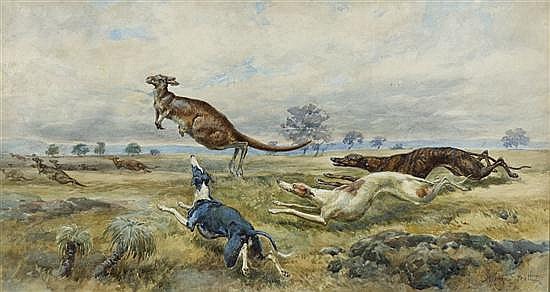
Compassion and love for animals clashed with blatant killing and brutality in the daily cycle. From the saddle of a horse, I witnessed dogs tearing apart a mother kangaroo “for fun,” emus fleeing our young friends the keepers, unable to get over a fence, becoming entangled in the wire and beaten to death with a fence post; and pigs on a farm making agonizing screams as their throats were slit and their writhing bodies thrown into vats of boiling water. I sat with other children in the back of a jeep on a field trip to shoot kangaroos, and I remember my green felt boots soaking in the deep red of kangaroo blood as their bodies began to pile up under our feet. The cruelty shook me to the core—indeed, it made me realize for the first time my own core, that silent, silent, inner place of observation that is beyond words. But that did not diminish the overwhelming sense of enchantment that the place awakened in me. (It was not until much later that I discovered that the old farm had a similar effect on many people who were connected to it.) The enchantment and the heightened sense of life that came with it stemmed from the fact that animals—and the uncompromising land that determined their fate—were almost the sole purpose of everyone’s lives in this place, and the bloodshed, for all its horror, was part of that all-consuming participation.
When I was fifteen, my family moved to the city, and my country life and visits to the sheep farm ceased. However, our new house overlooked extensive parkland, and I had settled in with my dog in an old Victorian loft in the back yard, so the transition was not too traumatic. It was only when I was eighteen and left my home and country to live in London that a strong sense of loss and deprivation finally set in. I moved in with a friend who had rented a top-floor studio on the Kings Road in Chelsea, and for various reasons I soon found myself trapped in the life I had reluctantly chosen to lead there. The flat had no garden, no glimmer of greenery from the tall windows. The grand old building in which it was located was legendary as one of the nerve centres of the London underground. Artists, writers and rock musicians gathered here, and every night until dawn the entire building shook with the echoes of music from the nightclub in the basement. People embarked on exciting adventures with sex and drugs. The place was undeniably bustling. Permanent residents and visitors, coming and going at any hour, were literally charged with the buzz of glamour, the intoxication of fame and glory.
I seemed to be the only one alive. I felt dead. With no trees in sight, with all the presence and memories of animals erased from this world, and even no proper sky overhead (the London sky seemed more like a low ceiling than the soaring invitation to infinity I was used to in Australia), I felt truly “underground,” buried alive. My spirit, with its lifelong habit of expansiveness, had to submit for the first time to the gray urban enclosure, a world built entirely according to human imagination, in which there was no other option than socially prescribed perception and perspective. There was no turning into the wider world of subtle voices and signals, into the world of countless, at first indistinguishable, but with patient attention increasingly discernible, responsive presences. Rather, it was a turning inward and a turning up the volume of the self-indulgent cacophony and chatter created and controlled by humans. This turn found its ultimate expression in the basic project of the counterculture: to transform reality into an internal visual show, a spectacle full of hallucinatory images and sexually induced sensations, staged for our private entertainment. This project was in fact nothing more than a modern rendition of the old transcendental idealism or solipsistic anthropocentrism of the Western tradition, which places reality in us, not us in reality.
At the time, I had no words to describe this human introjection of reality, no words to justify my sense of exile from a world that was truly alive and, unlike the one I was in, a source of real revival. I especially had no words to challenge the high standards of art that the counterculture relied on. Instead, I kept a few snails and bare twigs in a jar in my room and stared at them for months. I withdrew into my imagination and intense creativity, writing and drawing obsessively, and from my own deep subconscious, I conjured up the images and motifs I needed to survive. I was composing song cycles and origin stories before I had even heard of Aboriginal dreaming. I wandered through second-hand bookshops and second-hand bookshops, looking for illustrations and folktales to incorporate into my nascent mythologies. I often visited the Natural History Museum in Kensington, walking through layer upon layer, colonnade upon colonnade of its magical animal sculptures. Whenever I discovered a numinous image—an old French engraving of a solitary seal, for example, or a Chinese painting of wild geese—I saved it and hung it like a religious icon in the gallery of my mind. From the fragments thus collected, and from my own memory, imagination, and dreams, I tried to recreate the sense of enchantment that had always been the essence of my experience of the world, and without which life was not really worth living.

This sense of enchantment is, from the perspective of Western psychoanalysis, regressive and signals a failure of individuation in childhood. To accept this view, however, is to ask a metaphysical question. Looking back now on my early years, it seems more likely to me that the ample opportunities for close communion with animals that I had throughout my childhood opened me up to a larger world, a world full of a presence or presences that went far beyond the human world. It was this direct contact with an unknowable but all-pervading presence that gave me a sense of the sacredness or enchantment of the world and the potential for “magic” in it. “Magic” in this context was simply the possibility of the world’s response—the possibility, indeed the probability, that the world, if invoked in good faith, would respond, though not necessarily in the way one expected or with the results one hoped for. In my opinion, one should not rely on this world to fulfill one's demands or to provide protection, but if one simply asks it to appear, to engage in communication, then in my experience it usually does, although in its own, always unpredictable way. I learned this as a child through the sensitivity that my animal relatives instilled in me, and this filled my whole being with a sense of being accompanied, of never being alone, a feeling of love, akin to that background radiation that physicists speak of. It is a "love" that has nothing to do with saving us from death and suffering or making us happy. From the world's perspective, death and suffering are merely inevitable concomitants of individual life. From this perspective, the individual's task is not to avoid these inevitabilities, but to get beyond them—to call out into the silence beyond the human self and seek an answer. This is the moment the world has been waiting for and will rejoice in: the moment when we ask him to speak. To accept his answer is to enter into a love far greater than the protection and indulgence expected by our traditional, insistent forms of prayer, for this answer means that we belong to a living order, to a model of meaning from which death cannot separate us and to which only suffering calls us.
I offer these concluding remarks not as an argument but as a testimony to my personal sense of the broader significance of human-animal coexistence, especially when that coexistence is established in childhood. Communicating with the unknowable subjectivity of animals and experiencing their response to us is perhaps the main bridge to communicating with the unknowable subjectivity of the wider world. Such an experience of the world as an animate or spiritual matter not only directs our own self-realization in the most fundamental way, but also enables us to adopt an attitude of profound mutuality and sacred care for the world itself.”