
Summer seminar of the Traveling University of Nature
Program: Indigenities or How to Become Indigenous Again
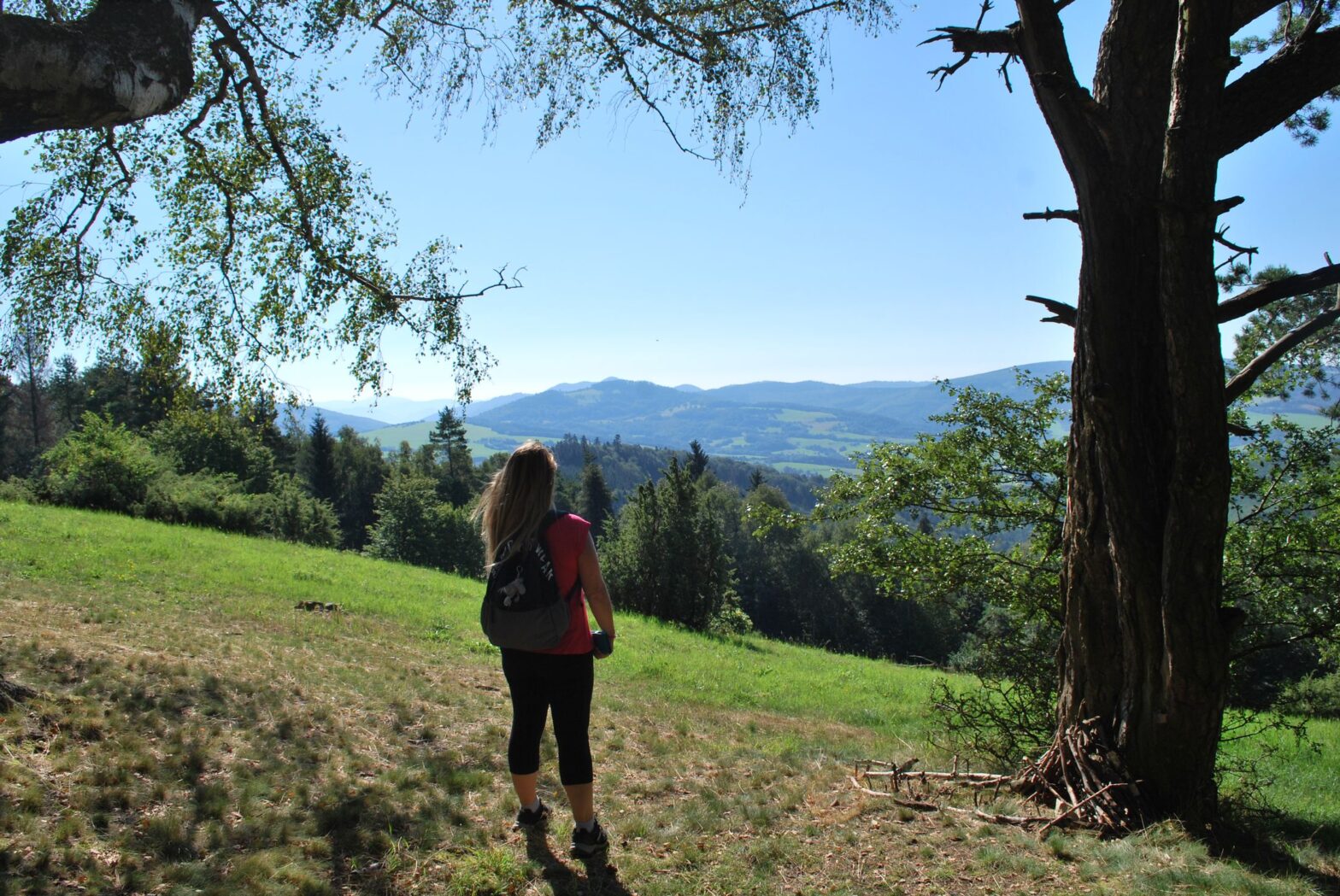
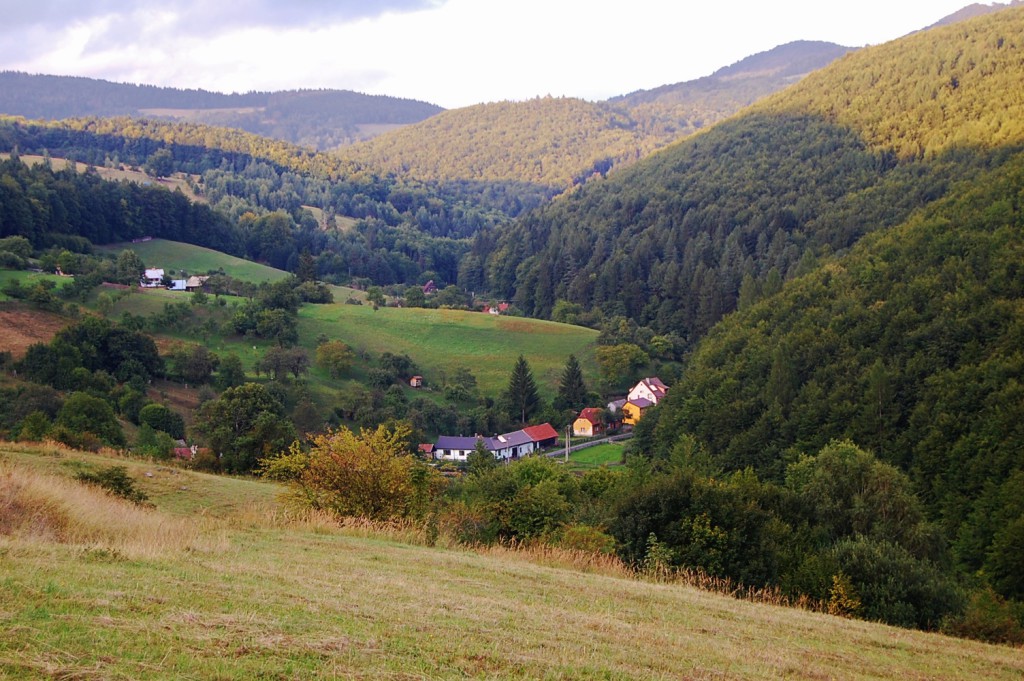
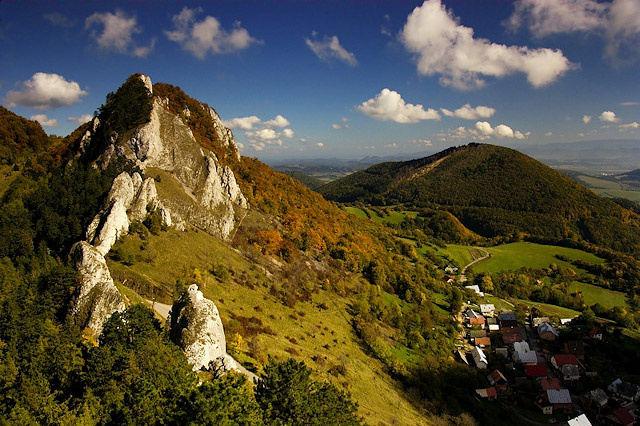
View from the Ploščiny nature reserve towards the east towards the Vršatec foothills.
On the importance of indigenous values for our survival and healing our relationship with the Earth and decolonization
“People who live on this planet need to let go of the narrow concept of human liberation and start understanding liberation as something that needs to be extended to the entire natural world. Everything that supports life—the air, the water, the trees—needs to be liberated, everything that supports the sacred web of life.”
The Haudenosaunee People's Message to the Western World
August 4 to 10, 2025
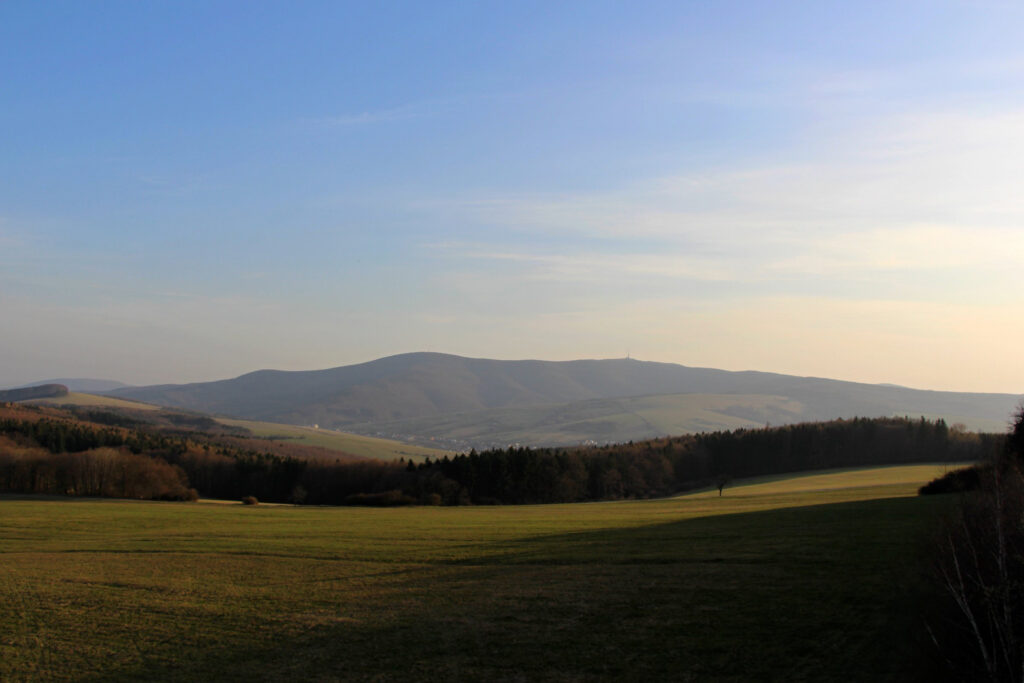
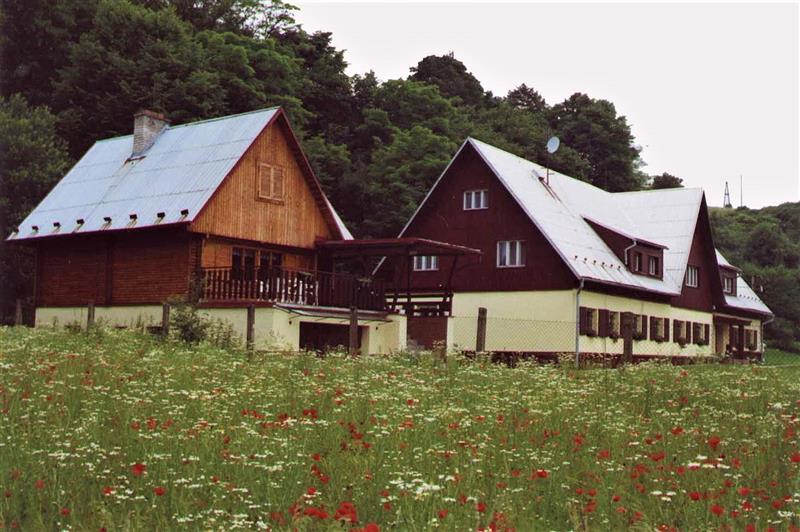
Brumov-Bylnice Game Reserve in the White Carpathians (Vlarska 313)
Seminar program
from 18:00 to 19:00 — dinner
from 19:00 — start:
Welcoming the participants, familiarizing themselves with the place and a short introduction to the topic and program of the seminar. Wallachia Kloboucko and the White Carpathians as a region of "natives" who care for the local landscape.
About the White Carpathians and the Valašskokloboucka and the activities of the Kosenka association / Miroslav Janík
The chairman of the basic organization of the Czech Union of Nature Conservationists, the KOSENKA association in Valašské Klobouky, Mgr. Miroslav Janík has been dedicated to the protection of the nature of the White Carpathians for more than 50 years. He was awarded the Josef Vavroušek Prize for this in 2007, among other things. He will introduce us to the activities of his association, including the project of the first non-state primeval forest Ščurnica, which belongs only to him. Mr. Janík said about it: "When we free the forest, it will find its own way and show us the way to the future." Documentary film screening "Free Forest" / 25:50 (Don't give up).
"Gratitude to Mother Earth" and indigenous cultures / Jiří Zemánek
Gratitude as a core value of Indigenous people and the first step to decolonizing our Western mind. Why we need it especially today. Gratitude as an antidote to fear and despair that helps motivate people to act with integrity and care. My personal gratitude to Indigenous cultures that have inspired me in my pilgrimage activities.
from 7:00 to 8:00 — Iroquois Thanksgiving ritual
from 8:00 to 9:00 — breakfast
from 9:00 to 11:30 — morning program:
On the birth of modernity, indigenous values and decolonization / Jiří Zemánek
About the Western doctrine of discovery, settler colonialism and the vision of the New World. About indigenous values and decolonization using the example of the North American Haudenosaunee indigenous confederation. About how the Haudenosaunee defend their rights and actively speak out in solving the global ecological crisis: Oren Lyons, John Mohawk and the Basic Call to Consciousness. And a few examples of what we can learn from indigenous people today in order to continue living on this Earth. Introduction to the publication Becoming Native – or Finding Home.
What does it mean to be an indigenous Bolivian? / Jana Jetmarová
Bolivia is a country with one of the highest proportions of indigenous groups in Latin America. In 2005, the first “indigenous” president on the South American continent was elected to the presidency. Who are the indigenous people of Bolivia? How are indigenous identities constructed in Bolivia and what does it mean to be an indigenous Bolivian? What are the dynamics of the relationship between Bolivia’s indigenous groups and their constitutionally enshrined rights and the Bolivian state and its economic policies? And about a good life in harmony with Mother Earth as an alternative to capitalism.
from 11:30 — trip:
Excursion to PR Ploščina and Ščurnica forest
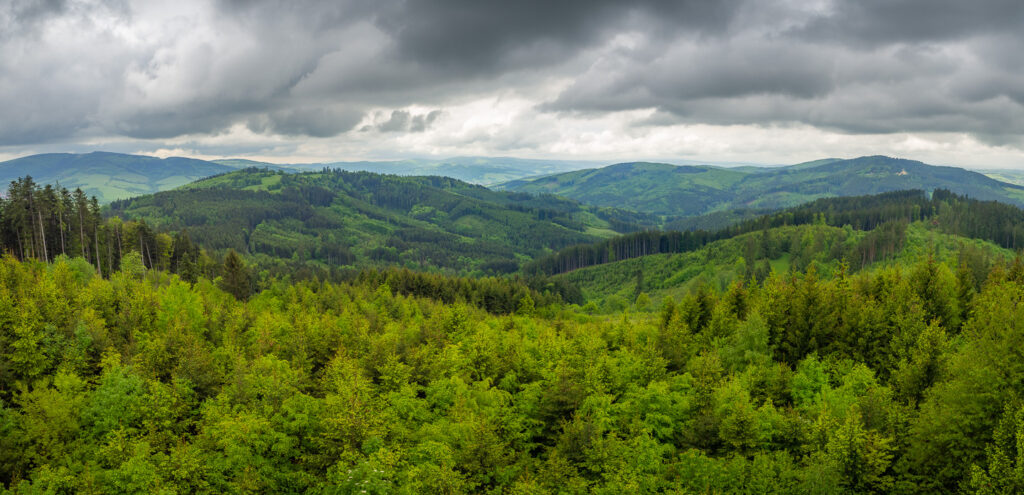
On foot to Bylnice; by train at 12:01 to Valašské Klobouky. Then a trip with Mr. Miroslav Janík to the Javorůvka nature reserve, Dobšena nature reserve, to Královec, to the Ploščina nature reserve and the Ščurnica primeval forest. From there we will go down to the village of Poteč and from there by train at 16:39 to Bylnice, from there on foot to Hájenka. The trip is 12 km long.
from 18:00 to 19:00 — dinner
from 19:00 to 21:30 — evening program:
On the edge between wild nature and civilization – about life in the Ecuadorian rainforest / Augustín Grefa
Agustín Grefa, from the indigenous Quichua tribe in the Ecuadorian Amazon, will introduce us to the traditional life of his family, who initiated him into energy healing and herbal healing, and to the indigenous wisdom that was passed down to him. He will also tell us about the current situation of life in his community in the rainforest, which is facing a conflict with gold miners who are destroying the rainforest. He will tell us about the Sachawa school, which he founded in the rainforest for local children, and the activities of the Život po staru association, which he founded with his wife Michaela Juraštíková. This is an organization that helps protect the rainforest and, together with original indigenous knowledge, preserve it for future generations.
from 8:00 to 9:00 — breakfast
from 9:00 to 11:30 — morning program:
Resettlement as a Counter-Modern Ethos / Freya Mathews / online
The ethos of resettlement is part of a broader philosophy of bioregionalism, according to which human societies should once again become localized, based on a specific place, as indigenous societies have always been. As a resettler, one seeks to live within the possibilities of a given place, to become deeply rooted in it, both materially and culturally, and to actively contribute to its ecological and social cohesion. In this way, each place-based community of resettlements will be cared for, articulated in stories, and renewed. This relationship to home becomes a source of identity, expressed in local foods, crafts, legends, architecture, festivals, and art—in short, local culture. Mathews will explore resettlement practices, their relationship to the philosophy of reindigenization, and the prospects for resettlement as a movement in the contemporary world.
Habitat – experiential words about regeneration / Sandra Wooltorton / online
How can we inhabit our bioregions in embodied, poetic and practical ways so that our multi-species worlds can be fully experienced anew? The talk will focus on drawing on the wisdom of Indigenous cultures that have been practiced for thousands of years in the places we live in Australia today. How might we, within Western society, re-understand ‘habitat’ in contexts shaped by current meta-crises? We begin by recalling that each of us has ancestors who came from a place, who lived there perhaps thousands of years ago, and therefore each has an innate capacity to reconnect relationally with living places in the same way our ancestors did. Within this Indigenous worldview, four Aboriginal place-based concepts are presented that support ‘inhabiting’ or living within our narrative places. Such inhabiting is very different from the ‘occupation’ that characterizes our Western worldview. “Seasonality,” “liyan,” “kinship,” and “place–time” express ideas about a habitat that is characterized by the experience and practice of simplicity, collaboration, localization, relationships, and regeneration.
from 11:30 to 12:30 — lunch
from 1:00 PM to 5:30 PM — trip:
Trip to PR Bílé Ptotoky and to Brumov
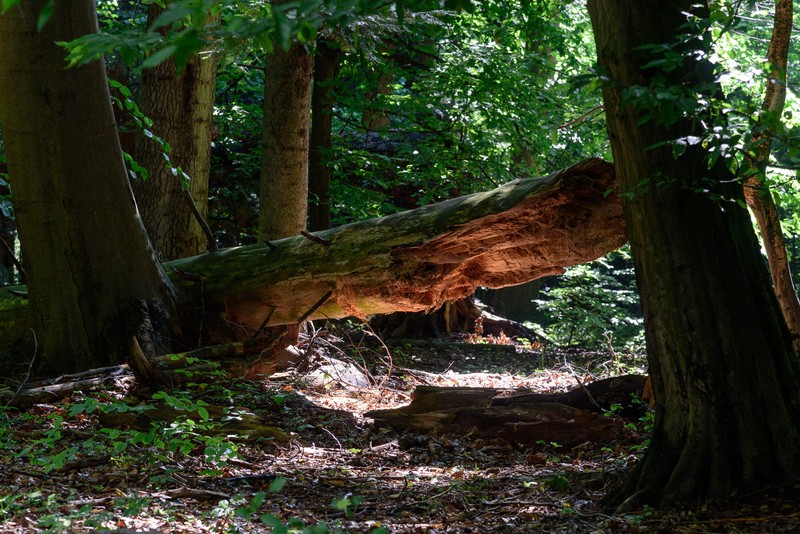
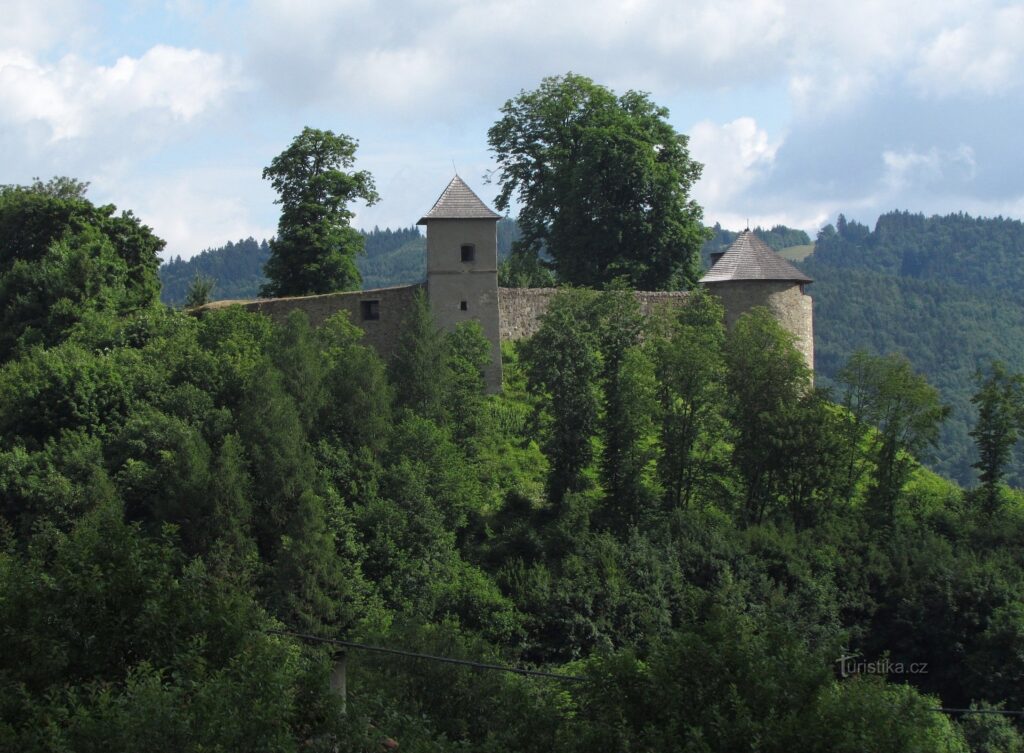
By bus from Bylnice U Lípy (13:07) to Valašské Klobouky. From there with Miroslav Janík to Podskalí and PR Bílé Potoky and further to Brumov, where we will look at the ruins of the castle and remember the writer Ludvík Vaculík, who was born here, and his "Indian epic" Sekyr. From Brumov we will return by train (departure 16:53) to Bylnice and from there on foot to Hájenka. The trip is 11 km long.
from 18:00 to 19:00 — dinner
from 19:00 to 21:30 — evening program:
From The Exiles to Sugarcane or Native American Cinema / Luděk Čertík
The lecture will introduce key figures and works of Native American cinema, from the 1961 independent feature film The Exiles to the international success of the documentary Sugarcane, which addresses the painful subject of Native American boarding schools. It will also offer a comprehensive look at how mainstream American cinema has transformed the way Native American cultures are portrayed, including thoroughly positive examples such as Martin Scorsese's Killers of the Flower Moon - a film that was not directed by a Native American, but was made in close collaboration with Native artists and consultants.
Amoosed! / auteur film / director Hana Nováková
The author tells the story of her obsession with the moose, an ancient animal totem. She sets out to find it and find answers to the question of where her obsession came from. She follows similarly obsessed (“amoosed”) people around the world. Her odyssey lasts seven years and takes her from rare Czech moose to Russian attempts at moose domestication, Swedish moose living in people’s homes, and the moose of remote indigenous peoples in Canada. It turns out that it was Hana’s ancestors who led her to meet the Mikmaq First Nation, who consider the moose their sacred spirit animal and who also have an important message for Hana.
from 8:00 to 9:00 — breakfast
from 9:00 to 11:30 — morning program:
Shamanic concept of the world or everything around us is alive / Ondřej Bahník
The lecture will discuss universal transferable principles of spiritual practice and relationships indigenous tribes of South America and also about which influences cannot be transferred to Western society. According to Ondřej Bahník, a person gets to know himself while learning about old cultures and their cosmologies. The author will focus primarily on the Huni Kuin tribe, the "People of Ayahuasca", who inhabit the Brazilian state of Acri; on their legends and current messages in this age of "Shina bana", "New Era". According to legends, a time has come when people in the world have forgotten the essence of things, connections and knowledge and it is necessary to collect their individual parts again; and the natives must also learn new things today, otherwise they will disappear.
What I learned from the Kogi people / Monika Michaelová
In 2010, I set out on a journey to find the voice of the earth. In search of answers to questions about what would happen to our planet and to life, I traveled to the Kogi indigenous people in the Sierra Nevada mountains of Colombia. It profoundly changed my life. The indigenous people did not give me answers in the form of explanations; I had to experience my questions. This is the indigenous way that leads to understanding. Now, 15 years later, I am bridging the natural knowledge of the Kogi into our society for the personal journey of a person, but also for understanding the restoration of the landscape and for understanding our place as humans in the natural cycle.
from 12:00 to 13:00 — lunch
from 1:00 PM to 5:30 PM — trip:
Trip to Hlubocká štraň
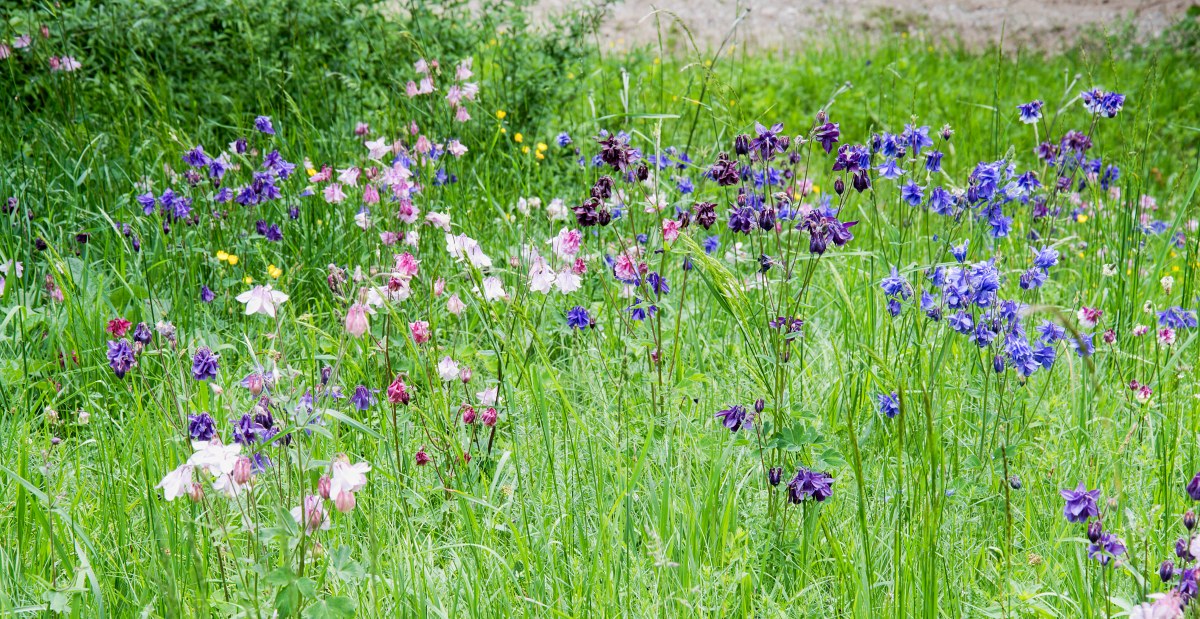
Ethnobotanical walk with Ondřej Bahník – we will walk and feel the landscape. We will talk about the healing and spiritual uses of herbs and trees that we will encounter along the way. From Hájenka on foot to Hluboče and Hlubocká stráň – there and back approx. 8 km. Longer circular option: Hluboče, Okrouhlá Nature Reserve, Vlárský průsmyk, Svatý Štěpán, Hájenka – approx. 12.6 km.
from 17:45 to 18:30 — dinner
from 19:00 to 21:30 — evening program:
“Spiritual fast food” and the problem of globalization within traditional indigenous life / Temok Zin
The artistic work of Temok Zin, a dancer of the sacred Aztec dance and healer from the Mexican Aztec-Chiccmec tribe, is intertwined with his shamanic worldview. Through his artistic activities, he seeks to contribute to the preservation of the Aztec-Toltec spiritual tradition and to the dissemination of the wisdom of his ancestors in the Western world. In the first part of his presentation, he will address the problems of globalization within the indigenous way of life and what he himself calls "spiritual fast food". In the second part, he will take us deep into our hearts with the help of traditional singing and a medicine drum.
from 8:00 to 9:00 — breakfast
from 9:00 to 11:30 — morning program:
30 years of a rural non-profit organization from Moravské Kopanice / Renata Vaculíková
A small summary of its activities in the area of supporting organic agriculture, sustainable tourism, local traditions and culture, and education in Moravské Kopanice, which is one of the most culturally interesting areas of the White Carpathians.
I was raised by the earth itself / Andreas Weber / online
When I think back to my childhood years spent in a small garden, I realize that I was raised by the earth itself. It taught me how to relate to the world and to others—gently showing me that this always means being able to change and to allow that change to others; it taught me that in order to be connected, I cannot stay the same. Can the earth also teach us how to create cultures that support life within us? What might it mean if we adopted a maternal attitude and imitated the way matter, mater-ia, holds us unconditionally? Motherhood, as a cultivated attitude and as an embrace of life, is therefore a model of nurturing fruitful relationships and therefore a model of culture.
Weaving Relationships: Robin Wall Kimmerer on the Wisdom of Plants, Reciprocity, and Responsibility / Luboš Slovák
Native American botanist Robin Wall Kimmerer combines Western science with indigenous ecological knowledge in her work. We will show how in her work and life, the concepts of reciprocity ethics and gift economics become practical ways of dealing with the world and its more-than-human inhabitants. The lecture will be complemented by a small workshop during an afternoon trip, where we will try to experience or apply some of these principles firsthand.
from 12:00 to 13:00 — lunch
from 1:00 PM to 5:30 PM — trip:
Trip to the Plaňava area
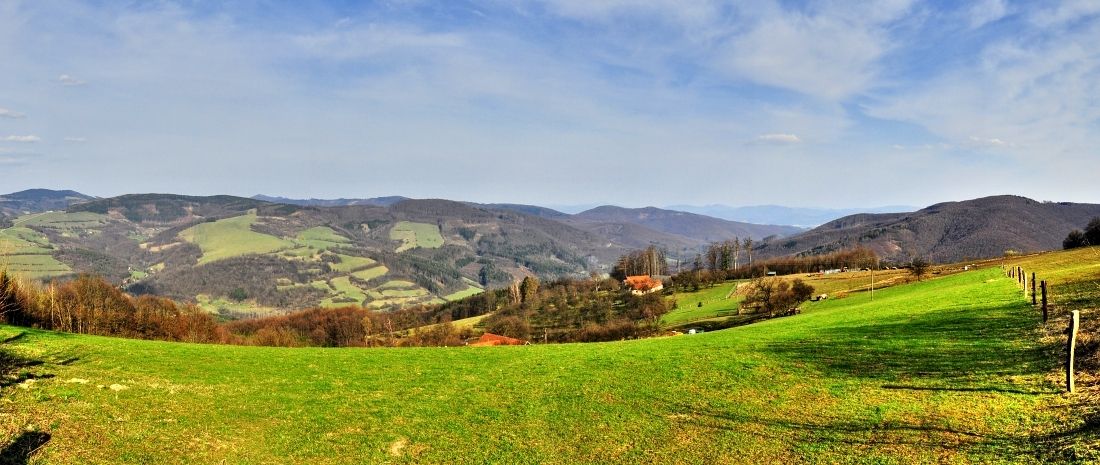
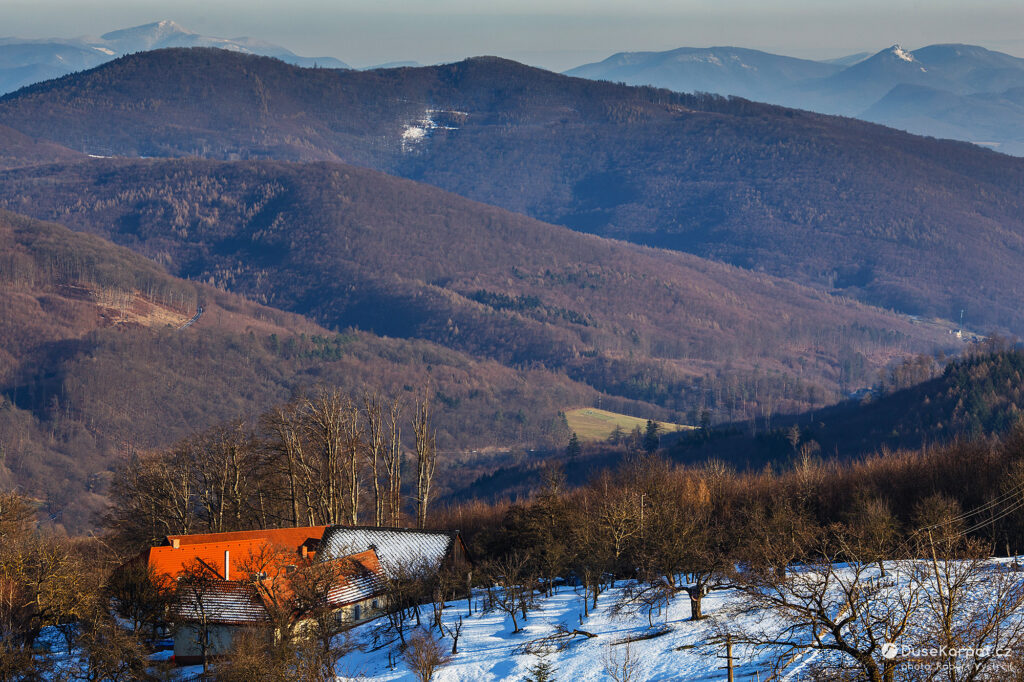
from where there are beautiful views to the east of the Strážovské vrchy and the peaks of the Malá Fatra in Slovakia. We choose either a shorter version of the route (7 km) or a longer version with a climb to Košárka (12 km). During the walk, Luboš Slovák will introduce us to the principles of indigenous wisdom Robin W. Kimmerer.
from 18:00 to 19:00 — dinner
from 19:00 to 21:30 — evening program:
On the Indian subculture in the Czech Republic / Eliška Jandová
The Native American subculture, or Euro-Indians as they are commonly called, is an interesting and diverse group of people who are fascinated by the indigenous cultures of North American Indians. At first glance, it might seem like just another “living history” group, but the motivations that lead Central Europeans to camp in tipis, use natural materials, and sing traditional songs go much deeper than a fascination with the material culture of Native American tribes.
Ideas of indigenousness in practice – syntropic agriculture / Elsa Šebková / online
For over 40 years, syntropic agriculture has proven that if we, like indigenous cultures, humbly learn from the intelligent macroorganism of planet Earth, we can not only feed the world, but also re-green highly degraded areas, return water and natural diversity to the landscape, and mitigate climate change. We will talk about the core values of syntropic agriculture, which resonate with the cosmovision of indigenous cultures, as well as how we can put these principles into practice on a small and large scale, and how this type of agriculture is now starting to reach the Czech Republic.
from 8:00 to 9:00 — breakfast
from 9:00 to 11:30 — morning program:
"Where the Olive Trees Weep", screening of the film by Mauricio and Zaya Bennaz / commentary by Zora Hesová
Film Where Olive Trees Weep is conceived as part of a twelve-part film series dedicated to the global intergenerational trauma of the colonization of indigenous peoples. The film brings the backdrop of the current crisis in Israel and Palestine and shows the lives of people the filmmakers met on their journey through the occupied West Bank in 2022. Their universally human stories speak of intergenerational pain, trauma, and resilience. The filmmakers believe that the film can contribute to the fulfillment of the dream of ending the occupation in Palestine and achieving equal rights and fair treatment for the Palestinian people, and contribute to the spread of healing of all intergenerational traumatic cycles in the region.
From "white ignorance" to a vision of global history or the Czech debate on decolonization / Andrea Průchová Hrůzová
The lecture will address the narratives that the Czech professional and lay public adopt in relation to the topic of decolonization. It will present how attitudes towards decolonization as an academic, political and social topic are influenced by our generational affiliation, personal life experience or (dis)engagement in global digital communication. It will show how general ideas about decolonization are connected to the problem of race in Central Europe, to the rise of ethno-nationalism and ethno-populism in political and digital culture, and to the historical experience of two modern totalitarian regimes.
from 12:00 to 13:00 — lunch
from 1:00 PM to 5:30 PM — trip:
Trip to Sidonia
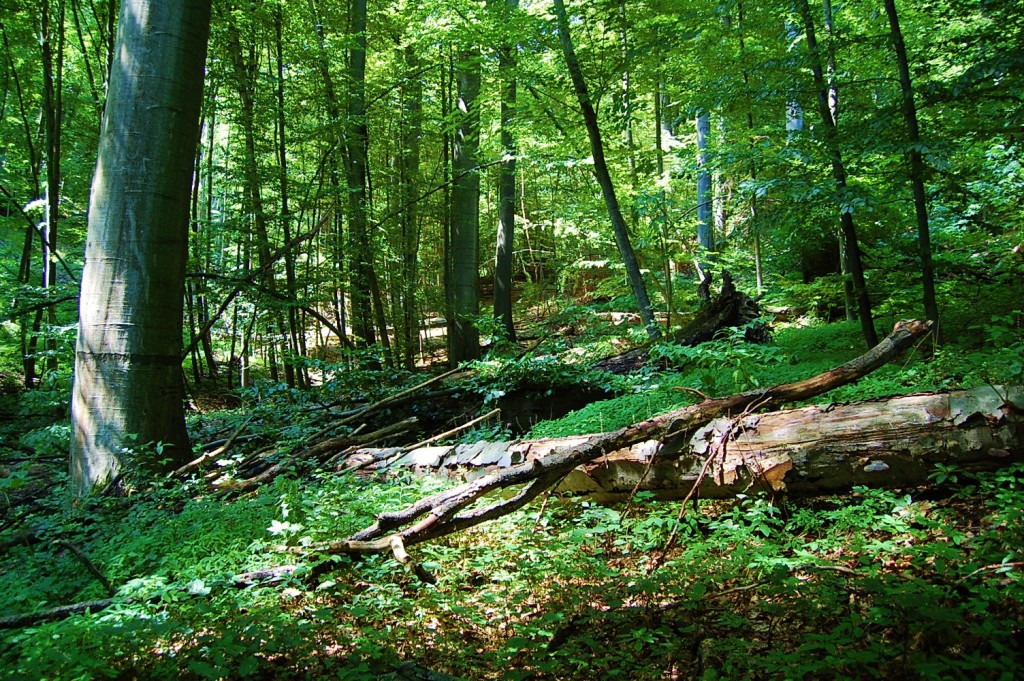
By bus from the Brumov-Bylnice stop, u lípy at 13:41 to Brumov-Bylnice, Sidonie, střed (arrival 13:51). Trip to the Sidonie nature reserve, where there is a 200-year-old natural beech forest; and then to the Okrouhlá nature reserve up to the Vlárský průsmyk. From there, from the railway station, take the train at 17:30 to Bylnice – arrival at 17:36. From there, walk to Hájenka. Trip length: 10 km.
from 18:00 to 19:00 — dinner
from 19:00 to 21:30 — evening program:
"Songs of the Earth" / Circle singing of indigenous songs with Sebastian Prax
By singing together, we will immerse ourselves in the melodic texts of Czech and Slovak translations of indigenous songs from around the world and try out basic voice opening techniques. Most of the songs we will sing are translations or free variations of Native American songs. Earth Songs are interesting because they speak directly to nature, the four elements, celestial objects, natural beings and essences. Songbooks will be available on site so that we can all sing together. Your own instruments are welcome (percussion, guitar, flute, etc.). More information about the Earth Songs project can be found on the page: sebastianprax.cz/zpevnik
Sunday, August 10: from 8 am breakfast and then departure home.
Biographies of seminar lecturers
Ondrej Bahnik
He embarked on the path of personal development more than twenty years ago. He started with bioenergetic techniques and traditional herbalism, but his greatest influence was his encounter with shamanism. He was educated in several traditional healing techniques with shamans from Siberia, Colombia, Peru and Mexico. He completed Grof Transpersonal Training and as a certified GTT facilitator, he now uses his experience in group and individual practice with people. He is dedicated to teaching bodywork in an expanded state of consciousness and harm reduction. The focus of his work lies in helping with the integration of expanded states of consciousness and in psychospiritual crisis. He is a member of the United Nations Association of Venezuela (ANUV) project, which shares the knowledge of traditional authorities and healers from the Amazon and Central America with peoples around the world. He is a guide in the Colombian Putumayo region, where the Amazon rises into the Andes. Here he has been visiting the indigenous communities of the Inga, Kamentsá byia and Kofán for a long time. Together with friends, he runs the Asaya association, which focuses on organizing lectures, conferences, screenings, and the creation of documentary films and books. Last but not least, he is a forester, forest educator, and father of three children.
Ludek Certik
South Bohemian poet, essayist and musician, founding member of the audiovisual project Mess of Iguanas. He graduated in Film Studies at the Faculty of Arts, Charles University and Environmental Studies at the Faculty of Social Sciences, MU. He has published in the magazines Film a Doba, Sedmá generace, Host, Tvar, Milk & Honey. His first work of poetry was published under the wings of Pilgrim Many rivers (2021), his second book of poems was published by Malvern Publishing House, entitled The last wild embrace (2023) and last year published a collection of essays Together, Untamed: Essays from the Living World (Seventh Generation 2024). He is preparing to publish his third collection of verses all about the sun, the final part of a poetry trilogy. He is also working on an illustrated book The Earth is a purring cat, the second book of essays Follow life and in stylized topography Second rain, in which he draws inspiration from haibun prose. He also focuses on sound ecology and bioacoustics, especially bird calls.
Agustin Grefa
He comes from the Quechua Indian tribe, from the Rio Blanco community in the Napo region of the Ecuadorian Amazon, from a family of curanderos, or healers. Since childhood, his parents and grandparents instilled in him that understanding and respecting nature and the universe and their energy, as well as listening to one's own heart and inner guidance, helps to discover the invisible. Under their long-term guidance, Augustín became a capable curandero – i.e. someone who heals with the help of plants and helps all who need this help. He tries to pass on this indigenous wisdom and tradition to the next generation. Through the Czech-Ecuadorian organization Život postaru – which he founded together with his Czech wife Míša Juraštíková – Augustín strives to preserve the rainforest of his indigenous community and original Indian knowledge and spreads this indigenous knowledge in Europe and especially in the Czech Republic. He founded the Sachawa school in the rainforest for local children.
Zora Hesova
She studied philosophy and Islamology; she received her doctorate in Islamic philosophy from the University of Sarajevo. She teaches at the Department of Political Science, Faculty of Arts, Charles University, and is a researcher at the Department of Political Philosophy and Globalization Research at the Institute of Philosophy, Academy of Sciences of the Czech Republic. She focuses on moral, social, and political Islamic philosophy, especially on the topic of secularism and the integration of Muslims in Europe. She is an active public speaker and engages in critical debate on human rights and contemporary conflicts. Her latest publications include the international committee Central European Culture Wars: Beyond Post-Communism and Populism (2021, together with P. Barša and O. Slačálek) and Abdolkarim Soroush. Religion, Modernity and Secularism in Contemporary Iranian Philosophy (Filosofia, 2021).
Eliska Jandova
A guide by profession, she also leads dance meditations with World Peace Dances and walking meditations. She came to spirituality through her interest in North American Indian cultures, which fascinated her at the age of 14 and led her to a deeper perception of herself and the world around her. In 2011, she met her mentors Wali and Ariënne van der Zwan from the Netherlands, thanks to whom she further deepens her experience with dynamic meditations.
Miroslav Janik
is a conservationist, artist and teacher. He graduated from the Faculty of Education of the University of Ostrava (mathematics and art education) and worked for 17 years as an educator, teacher and head of the science and aesthetics department at the Children and Youth Center. Since 1975, he has worked in the Valašskokloboucka region as an active conservationist in the then TIS - the Association for Nature and Landscape Conservation, which in 1980 transformed into the KOSENKA association, a basic organization of the Czech Association of Conservationists, of which Mr. Mgr. Janík is the chairman and main driving force. He has devoted practically his entire life to the protection and restoration of the environment and landscape of the Valašskokloboucka region, environmental education and the preservation of cultural and traditional values of the White Carpathians. He is behind a number of major regional environmental and cultural projects, such as the care of rare White Carpathian meadows in the localities of Bílé Potoky, Dobšena and Javorůvka; He participated in the return of sheep to protected areas, in the care of preserving local varieties of fruit trees, in the establishment of the non-state nature reserve (primordial forest) Ščurnica, in the preservation of Wallachian wooden houses or in the establishment of the Wallachian St. Nicholas Fair. In 2007, Miroslav Janík was awarded the Josef Vavroušek Award for the protection of nature, traditions and culture of the White Carpathians.
Jana Jetmarová
She studied ethnology at the Faculty of Arts, Charles University in Prague; within the framework of her field of study, she conducted field research in Latin America, the USA and Canada. Since 2007, she has been teaching at the Technical University of Liberec, and from 2008 to 2019 she was a member of the Department of Social and Cultural Anthropology in Pardubice. She is the author of the monograph Bolivia: The Rise of Indigenous Politics and the Government of Evo Morales (University of Pardubice 2013), co-author of the book Indigenous peoples and globalization (together with Livia Šavelkova and Tomáš Boukal, Pavel Mervart 2021) and author of other studies on identity politics. She also engages in critical reflection on the social impacts of neoliberal ideology. She has also published in the field of anthropology and phenomenology of sport.
Freya Mathews
is an Associate Professor of Environmental Philosophy at La Trobe University in Melbourne, Australia. Her philosophy is rooted in panpsychism, an approach that sees the mentality of the natural world as fundamental. Her main interests include the development of ecological civilization; indigenous (Australian and Chinese) views on "sustainability" and how these perspectives can be adapted to the context of today's global society and the pursuit of a return to the wild. In addition to her research activities, she manages the private biodiversity reserve Barabungle Park on Mt Korongo in northern Victoria. She is a Fellow of the Australian Academy of Humanities. Among her published books: The Ecological Self (1991), For Love of Matter: a Contemporary Panpsychism (2003), Reinhabiting Reality: towards a Recovery of Culture (2005) and The Dao of Civilization / A Letter to China (2023). Her texts were published in Czech in the anthology Everything around me lives, feels, like me … (Pilgrim 2019) and in the magazine Seventh generation. Last year, Freya Mathews was the main guest at the Pilgrim Society's "From the Anthropocene to the Symbiocene" seminar.
Monika Michaelova
is a former teacher and coach who traveled to northern Colombia to the Sierra Nevada territory to meet the indigenous Kogi tribe, who accepted her in 2011 and began to pass on to her the teachings of the living lineage of their tradition. In 2016, she founded the Bridges and Springs Foundation, which covers activities for the preservation of the indigenous culture of the Kogi and Wiwa tribes and their cultural exchange with our society. Monika is currently dedicated to landscape work, the regeneration of places of exceptional significance and water in the landscape. In her life, she tries to create space for human potential to become a creative force in life.
Hana Novakova
is a graduate of the MA in documentary filmmaking at FAMU, Bengali and film studies at the Faculty of Arts, and has a PhD in ethnozoology from Charles University. She has completed a number of foreign internships (Dpt Cinèma et audiovisuel, Sorbonne III, FR; National Geographic Archive, USA; Doctoral Field Research, India, etc.). She worked for Czech Television as a director of the ecological magazines Nedej se! and Občanské noviny and directed popular science films for the Biological Center of the Academy of Sciences of the Czech Republic. She regularly contributes to magazines and professional collections, mostly texts on environmental and ethnozoological topics (A2, Tvar, Alarm, Revuue Prostor, National Geographic, Nový Orient, Dějiny a současnost, Pandanus). In 2021–2023, she led the "Open Seminar" after Karel Vachek at FAMU; she is currently developing the subject Environmental Communication there. She has curated several exhibitions of the work of the spruce bark beetle and, in collaboration with the National Literature Memorial, the exhibition Setina on the occasion of the unlived 100th birthday of the writer Bohumila Grögerová. She recently completed her feature-length documentary debut Amoosed about the influence of the totem animal moose.
Sebastian Prax
is a wandering musician, traveler and practicing yogi, naturalist and community facilitator, storyteller, writer, and occasional poet and one of the most prominent figures of the Czech-Slovak Rainbow community. He studied bioinformatics at Charles University, and in 2017-2020 he studied phenomenology at the Hussite Theological Faculty and the history of Indian religions at the Faculty of Arts, Charles University. He organizes concerts and tribal meetings Rainbow Gatherings. He founded the Yoga Healing Gathering initiative, which brings together guides, lecturers and students of the spiritual traditions of the Orient. Currently, he returns to the home traditions of our ancestors, explores and popularizes sustainable self-sufficient approaches to the landscape and helps in the creation of eco-community projects, the purpose of which is to deepen the connection between man and nature. He is the author of an autobiographical novel Finding the middle ground (2023) and songbooks of translations of folk and indigenous songs Songs of the Earth (2025).
Andrea Průchová Hrůzová
is a cultural sociologist specializing in visual sociology. She works as a researcher at the Institute of Contemporary History of the Academy of Sciences of the Czech Republic and teaches at the Department of Sociology of the Faculty of Social Sciences. She founded and led the Platform for the Study of Visual Culture Fresh Eye for twelve years. She publishes at home and abroad. A collection of her essays is currently being published Captive to Images. Visual Politics of the 21st Century (Akropolis, 2024) and collective monograph Enemies and Colonies, Patriots and Riots: Public Narratives of Decolonization and Racial (In)Justice in Central and Southeast Europe (Palgrave Macmillan, 2025). He is dedicated to translating books in the field of Anglo-American visual theory and to artistic research projects.
Lubos Slovak
He studied computer science and social and cultural ecology. He received his doctorate in environmental studies – he focused on examining the transformations of concepts of nature in contemporary environmental thinking. He teaches at universities in Olomouc and Brno. Inspired by deep ecology, he tries to develop life-giving ways of learning. He deals with the relationships between humans and the more-than-human world from various perspectives: he thinks about them philosophically, researches them scientifically, experiences them physically and transforms them pedagogically (and sometimes even activistically). In addition, he is also interested in ecopsychology and environmental sociology and psychology.
Renata Vaculikova
Director and project manager at the Information Centre for the Development of Moravské Kopanice, ops, based in Starý Hrozenkov. The company is mainly dedicated to activities focused on the development of organic agriculture in the Zlín Region and the Hodonín region and activities focused on the culture, traditions and nature of the Moravské Kopanice area. Moravské Kopanice is characterized by its great natural wealth and also a very specific dialect and folklore, which is still maintained here by several folklore associations and choirs, local embroiderers and musicians; the Kopanice Festival is held here every year in July. Ms. Vaculíková is the leader of the local folklore choir Čečera, which focuses on the interpretation of songs and customs from Starý Hrozenkov, Žitková, Vápenice, Vyškovec and Lopeník.
Andreas Weber
is a German biologist, philosopher, biosemiotician and writer who lives in Berlin. He studied marine biology and collaborated with the prominent theoretical biologist Francisco Varela in Paris; after 2000 he also worked at the Faculty of Science of Charles University in Prague. He focuses on reassessing our understanding of life – he asks the question of what life is and what role we play in it, and develops the idea of a new culture and politics of aliveness. According to Weber, being alive and participating in aliveness is at its core an erotic process by which our self is constantly transformed and developed through contacts and relationships with others. From the author's books: Alles fühlt: Mensch, Natur and die Revolution der Lebenwissenschaften (2007) – in Czech: He feels, therefore he is (Malvern 2022); and Matter and Desire. An Erotic Ecology (2017) – in Czech: Matter and Desire: Erotic Ecology (Malvern 2023). On April 12, 2013, Andreas Weber participated (together with David Abram et al.) in the seminar "Poetics of the Living World" at the Kampa Theatre in Prague, which was organized by the Pilgrim Association with the German thinkOya. In 2023, he was the main lecturer at the Pilgrim Association seminar "Anima Animalia and the Rights of Nature" in Horní Maršov.
Sandra Wooltorton
is a Senior Research Fellow and Associate Professor of Education at the Nulungu Research Institute, University of Notre Dame Australia, Broome Campus, located in the Kimberley (Yawuru Country) in north-west Australia. She has published extensive interdisciplinary and transdisciplinary research in areas such as sustainability education, social change research, Indigenous education and environmental philosophy and cultural geography. Her work is informed by her engagement with Indigenous and environmental justice in Australia; she has been motivated by years of learning with and from Indigenous people. She has a deep interest in applying place-based philosophy to finding solutions to contemporary social and environmental challenges. She is interested in prefigurative cultures, co-creating the world we want to live in, experiencing the change we want to see in the world. She focuses on answering questions such as: We, not I; how does leadership support Indigenous and multi-species justice interests? How do people within bioregions learn to flourish? How do they find ways to acknowledge the value of rivers, landscapes and indigenous traditions? And he says that “in the Kimberley, the answers to these questions are all around us – in indigenous cultural ways of being and knowing, in the landscape and in the knowledge bearers.”
George Zemanek
Art historian, cultural activist and translator; he worked as an art historian in several state galleries, most recently in the collection of modern and contemporary art of the NG Prague. Co-founder of the Pilgrim association (with Tomáš Hrůza in 2009). The association was inspired by the exhibition “From Earth Over the Hill to Heaven… About Walking, Pilgrimage and Sacred Landscapes” (SČG Litoměřice 2005), dedicated to KHMách and CDFriedrich. In 2014, he founded the Itinerant University of Nature (PUP) in Pilgrim with Alena Malíková. He deals with the practice of pilgrimage and organizes the annual May and August PUP pilgrimages and seminars, including other educational walks (Deep Time Walk) and activities. He deals with the connections between ecology, cosmology and spirituality and the ecological transformation of contemporary culture. As a translator, he introduces the ideas of philosophers David Abram, Thomas Berry and Freya Mathews to the Czech environment.
Temok Zin
is a dancer of the sacred Aztec dance, a healer and an artist from the Mexican tribe of the Chichimeca Aztecs, his artistic creation is intertwined with a shamanic worldview. With his activities, he tries to contribute to the preservation of the Aztec-Toltec spiritual tradition. In the rituals and musical performances that he performs, he tells about the sacred elements, the relationship between man and nature and living beings of the more than human cosmos. Through dance, art and traditional music, he tries to support the rise of spiritual consciousness and gratitude and respect for all life on our sacred planet. He organizes seminars in Mexico and the Czech Republic, where he shares the medicine of his ancestors - the Temazcal ceremony; he organizes art and healing meetings for families with children and, last but not least, he is also dedicated to spreading and sharing the wisdom of his ancestors in elementary schools.
Seminar registration
The total price of the seminar is 8 950 CZK, for people with lower incomes 7950 CZKThe price includes accommodation (1800 CZK), vegetarian food for the entire duration of the seminar (2150 CZK) and a contribution to the organizational costs of the seminar of 5000 CZK (or 4000 CZK for people with lower incomes).
Registration is valid after submitting the registration form below and paying the deposit. 1 500,-CZK to the account number at Fio banka, as.: 2901522796/2010. Please include your name in the comment. The remaining amount can be paid on site in cash or by transfer using the QR code.
The seminar capacity is limited to 35 participants. Priority will be given to those who register for the entire seminar.If you register for only part of the seminar, we will inform you of your confirmation of participation by July 5th.
Applications are closed, thank you for your interest.
Contacts
- Jiří Zemanek, email: sarvanga1@seznam.cz, mobile: 777 117 466
- Tomas Hruza, email: tomashruza@gmail.com, mobile: 775 052 607
- Alena Malikova, email: jadernicka@gmail.com, mobile: 604 905 611
Continuing journey
After the INDIGENITY seminar, we will go on Sunday, August 10th Hiking across the White Carpathians from Brumova Bylnice to Strážnice (Sunday, August 10 – Thursday, August 14, 2025).
Brumov-Bylnice – Vršatské Podhradie – Sidonie – Vlárský Pass – Javorník – Žitková – Velký Lopení – Velká Javořina – Velká nad Veličkou – Strážnice (approx. 112 km)