
To Rip!
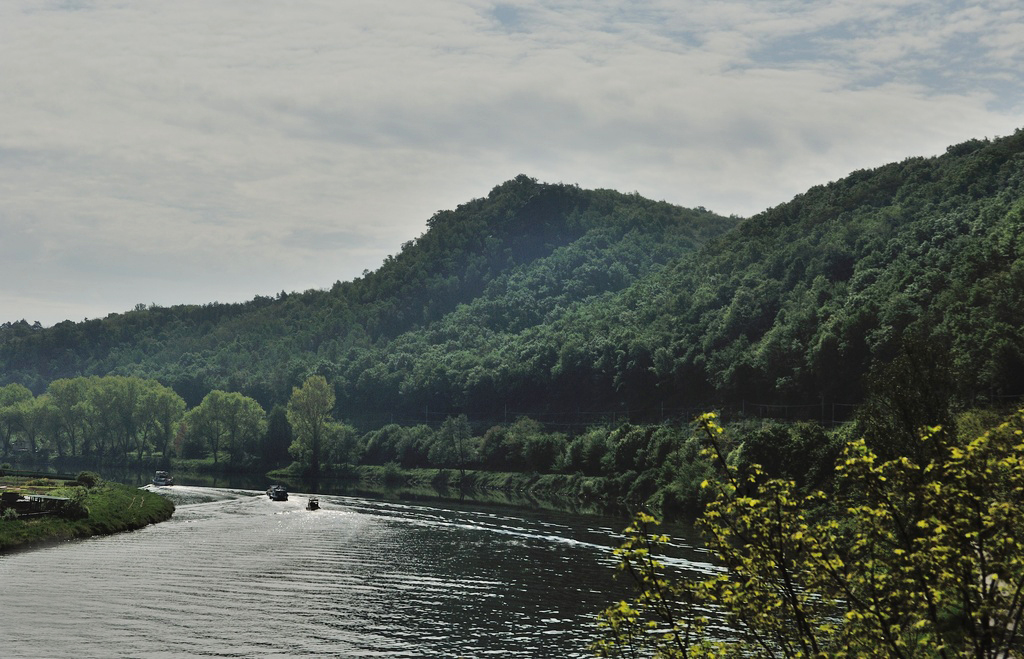
From Prague along the Vltava River
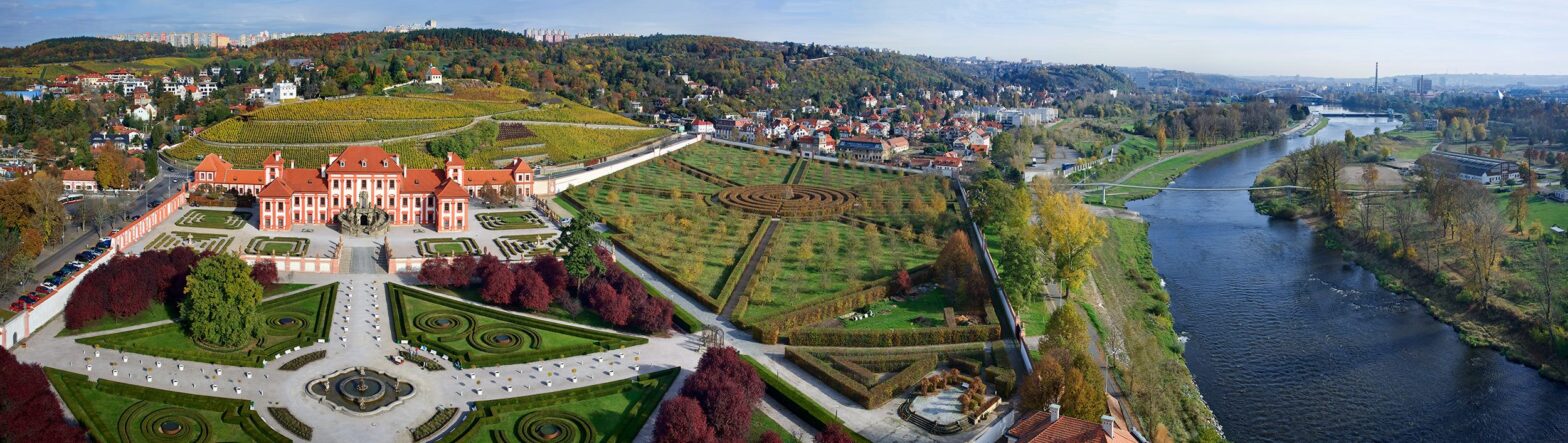
Troja Basin with Troja Castle, Vltava River and part of the Imperial Island.
Letná (metronome), Troja, Podhoří and the Zámka hillfort, Klecánky, the Levý Hradec hillfort, the Řivnáč hillfort, Větrušické rokle, Máslovická stráň (Choč), Chvatěruby, Kralupy nad Vltavou, Nelahozeves, Jeviněves, Říp, Roudnice nad Labem (62 km)
August 18 — August 20, 2020
"The Vltava is more than a water stream. It is the axis of Bohemia and perhaps the mother of Prague, ... It is the great wealth of the Czech land."
Vaclav Cilek
We will set off on a journey from Prague along the Vltava to Říp immediately after the end of our August seminar "From the Anthropocene to the Symbiocene..." in Toulcov dvůr (August 12-18), where we will, among other things, deal with the relationship between the Vltava and Prague, or rather new park projects for Prague islands such as Rohanský and Císařský ostrov, and also the concept of urban agriculture. Therefore, at the beginning of our journey in Troja, we will visit Císařský ostrov - we will get acquainted with the project that, as part of the overall revitalization of the Troja Basin and the Vltava River, is to transform this island into a large natural park that is to evoke wild nature; and we will visit the community garden and the urban farm MetroFarm.
Our journey from Prague along the Vltava will follow almost the entire final course of our largest Czech river (up to Vraňany) before it joins the other iconic Czech river, the Labe, below Mělník. On our way, we will get to know some remarkable geological and botanical phenomena in the Dolní Povltaví Nature Park, such as the Podhoří Nature Reserve, the Zámky natural monument, the Větrušické rokle or the Máslovická stráň; the oldest prehistoric settlement in this area – the Na Farkách hillfort, the Zámka hillfort and the Řivnáč hillfort – and the unique oldest Czech early medieval promontory hillfort, Levý Hradec. We will also visit the Renaissance castle in Nelahozeves and the local birthplace of the composer Antonín Dvořák, before at the very end of the journey we will climb the axis mundi of Bohemia, Mount Říp with the rotunda of St. George. We will also cross the Vltava River twice by boat at the ferries in Klecánky and Úholičky.
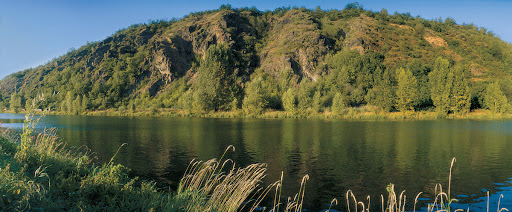
First day / Sunday, August 18: Prague Letná-Troja-Zámka fortress-Levý Hradec-Máslovická stráň (25 km)
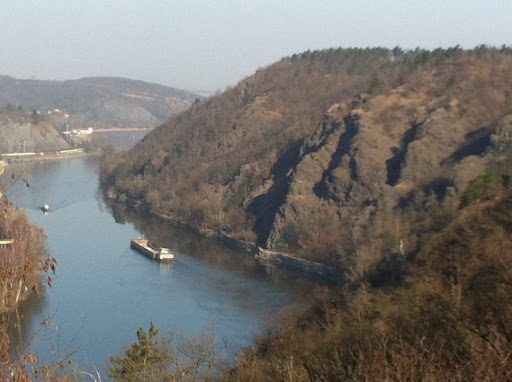
We will meet in the morning at 9 o'clock at metronome on Letnáfrom where we will head via Letná to Stromovka and then on to Imperial Island, where we will visit the MetroFarm community garden. Then we will cross to the other side of the Vltava River to Troy Castle and we will continue on the red line in the direction of the Vltava River past the Prague Zoo to Podhoří Nature Reserve in the Drahaň-Troja Nature Park, which represents the most valuable protected area of the Troja Basin. We enter it through the valley Podhorský brook, which will take us to the area of the former prehistoric cityradio station Nand Farkach. Then we will return to the Vltava and continue along steep cliffs Foothills – fossil outcrops extend from here to Kralupy; they are made of Proterozoic slates, which began to form 600 million years ago. The foothills have still retained the original character of a natural steppe with xerothermic shrubs and undergrowth oaks. There are many rare plant species here and the long-eared owl and the eagle owl, for example, live here. We will continue to Natural Monuments Castles and to the area of the ancient highland Castle hillfort and settlement with the oldest settlement from the Eneolithic period. From here we will then reach ferry in Klecánky, where we will be transferred by boat to the other bank of the Vltava River.
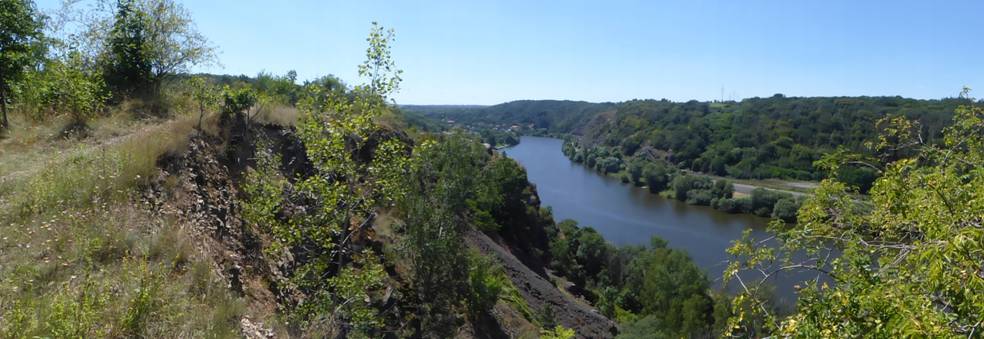
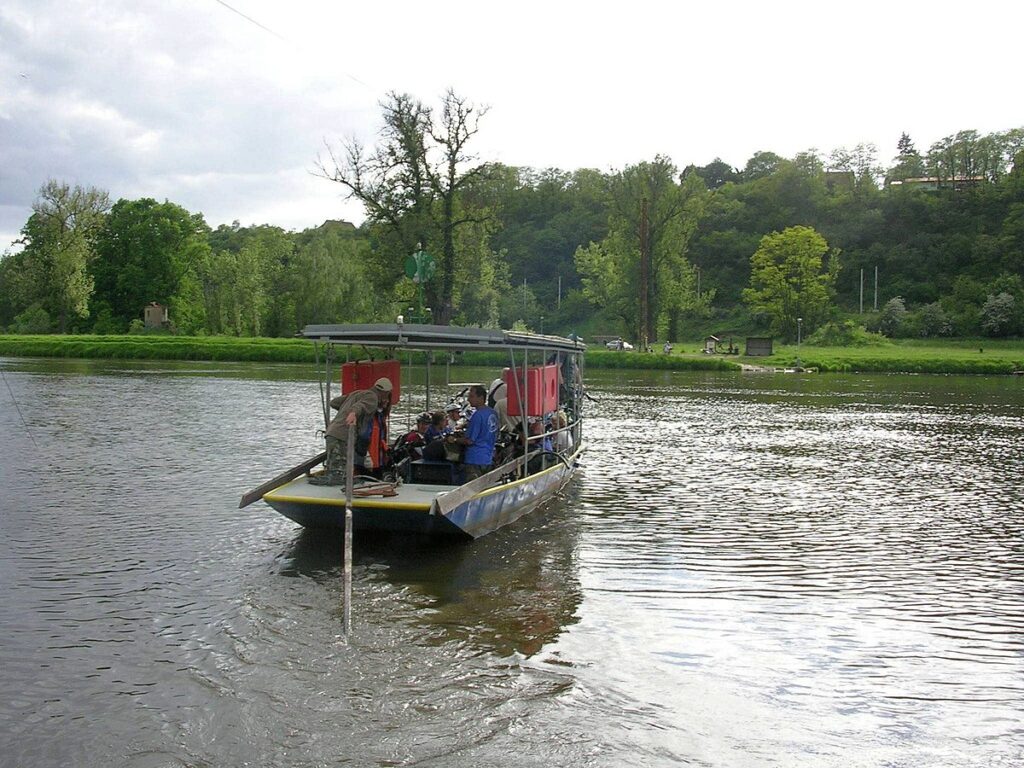
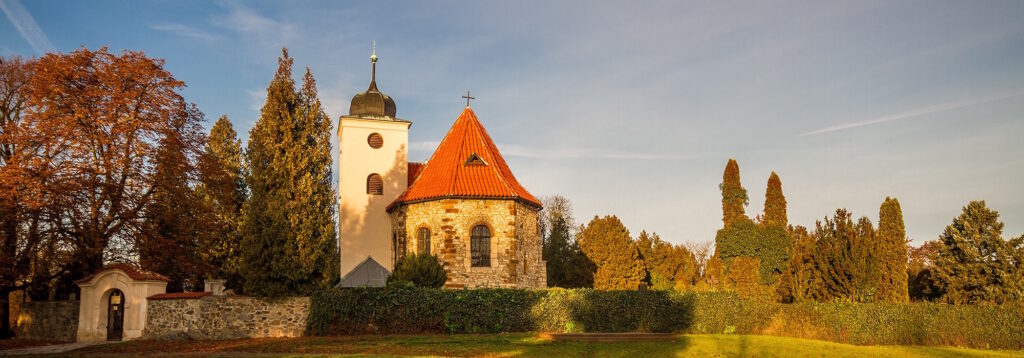
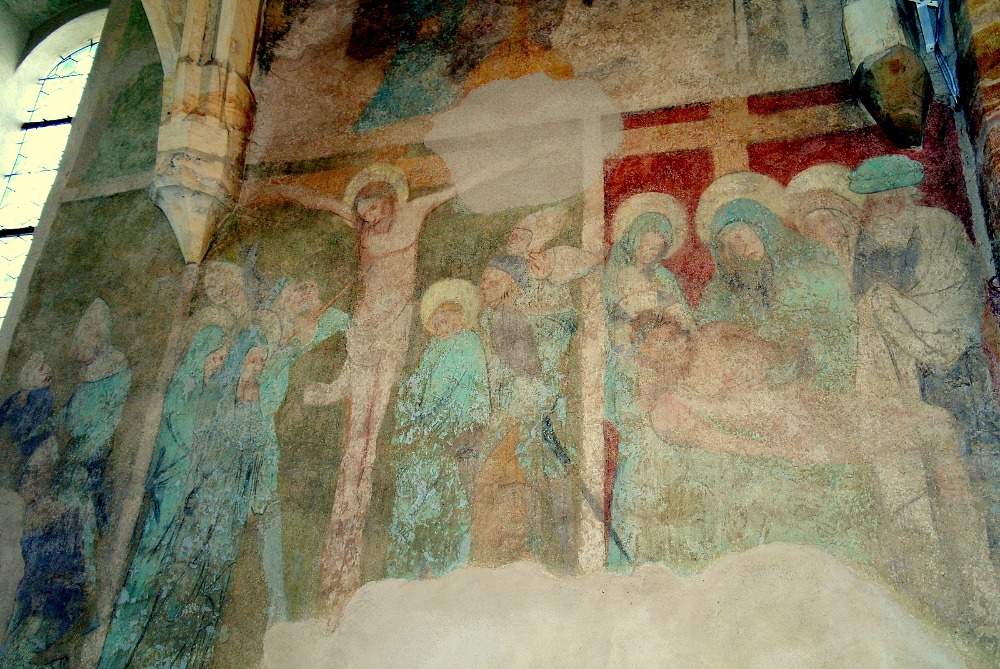
From ferry in Klecánky We follow the green trail along the left bank of the Vltava River and after two and a half kilometers we climb to the promontory, where an early medieval hillfort called Hradec or Levy Hradec. The Hradiště was founded in the middle of the 9th century and was probably the seat of the first Přemyslid prince Bořivoj, who had the first Christian church in Bohemia built here after 880, dedicated to St. Clement. In 982, Vojtěch Slavníkovec was elected Bishop of Prague. Levý Hradec is therefore considered the first center of Christianity in our country and the first center of power of the Přemyslid state. We will see the Church of St. Clement with Gothic wall paintings and head to the nearby hill Rivnáč (292 m), which rises high above the river; near it there was an ancient hillfort, settled in the Stone Age, i.e. 6,000 years ago, by members of the Řivnáč culture. The entire area around the lower Vltava River has been inhabited "since time immemorial". Not far from here, rich evidence of the Únětí culture from the Bronze Age has been found. From Řivnáč we will continue to the top Silversmith (311 m) and from there we descend to ferry in Úholičky and we will be taken by boat to the other bank of the Vltava River to Řež.
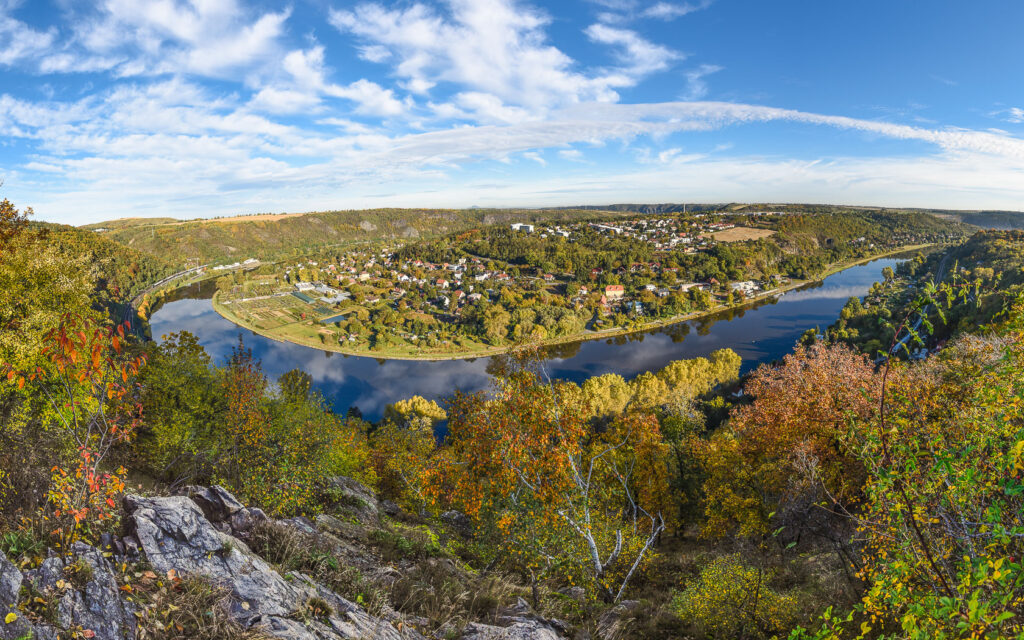
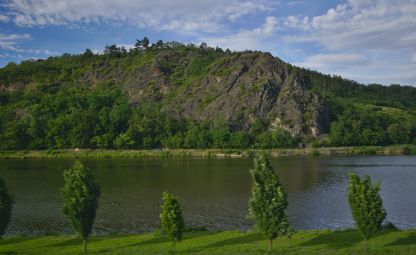
On the other side of the river, we will take the red path through the city to the Via Czechia trail, leading along the right side of the Vltava River, and we will continue along it to the bottom of the cave. The Drabovna and Big hill (288 m), which is the border hill of the national nature reserve Vetrušice Gorge. We will try to climb the steep slope to this cave - it is said that there is a beautiful view from here. The Větrušická rokle reservation, which is 2.5 kilometers long and adjoins the Vltava River, protects plant communities of rocky steppes and forest-steppes (for example, the stonecrop and stonecrop grow here); its bedrock is again formed by rocks of the Upper Proteozoic. We will reach the ferry Downstairs and to the nature reserve Máslovice slope, which stretches 2 km from the rock Choc, rising above the Vltava River, up to the village of Vodochody. It is a botanically significant locality (for example, rock rose, meadow pasqueflower grow here). The best-preserved parts of the reserve include its highest part on the hill Choc, where we will head, and a little further on we will spend the night in a meadow.
Second day / Monday, August 19: Máslovická stráň, Chvatěruby, Kralupy n. Vlt., Nelahozeves, Mlčechvosty, Jeviněves (24 km)
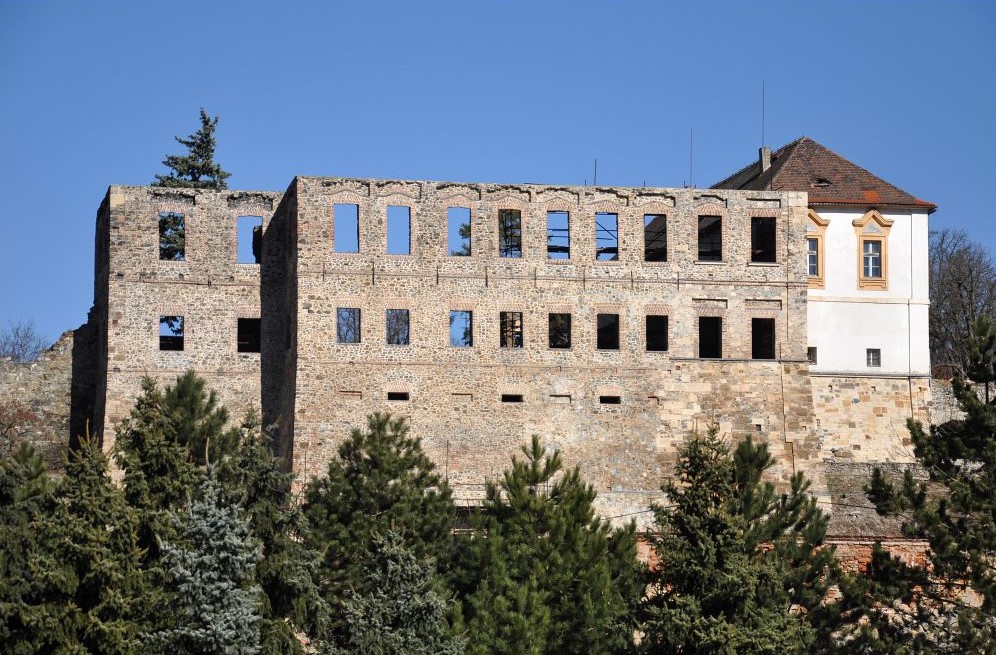
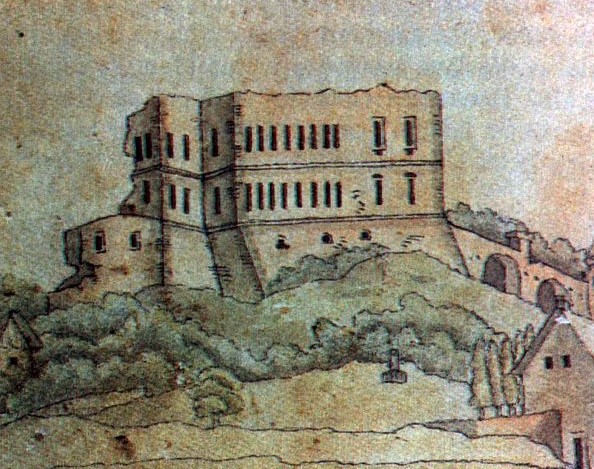
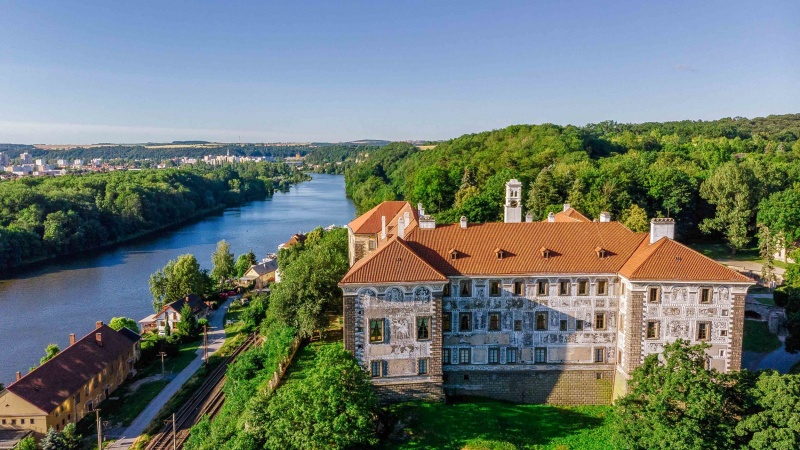
In the morning, Choce We will head to the Vltava River and continue along the red road past the natural monument. Hlaváček's slope (where thermophilic steppe and forest-steppe flora grows) and through Dolanky until the town Chavětěruby with the torso of an unfinished Renaissance and Baroque-rebuilt castle. This castle has fascinated many artists, including Karel Hynek Mácha, who captured it in one of his drawings, as well as graphic artists HA Haber and Jan Konůpek. From Chvatěruby we continue along the red (Via Czechia) road to Kralup n. Vlt., where we will cross the Vltava bridge and continue along its left bank until Don't be lazy.We will visit a remarkable chateau here, which is owned by the Lobkowicz family and is one of the most important late Renaissance buildings in Bohemia; its collections include works by Lucas Cranach, Paolo Veronese, and Peter P. Rubens.
In Nelahozeves we will also visit the birthplace of the composer Antonín Dvořák. We will continue on the path of Antonín Dvořák to New Ouholics – on the left, on the horizon, the Říp mountain appears, which we will start to approach from that moment on. We will take the D8 highway and reach the village Despite. From here we will continue along the Vltava River to Silenttails, after which we turn northwest along a dirt road to the wine village JeviněvesWe spend the night in the forest behind Jeviněvsí (or in the meadows below Řípom).
Third day / Tuesday, August 20: Ctiněves, Říp, Rovné, Krabčice, Hostěraz, Roudnice nad Labem. (13 km)
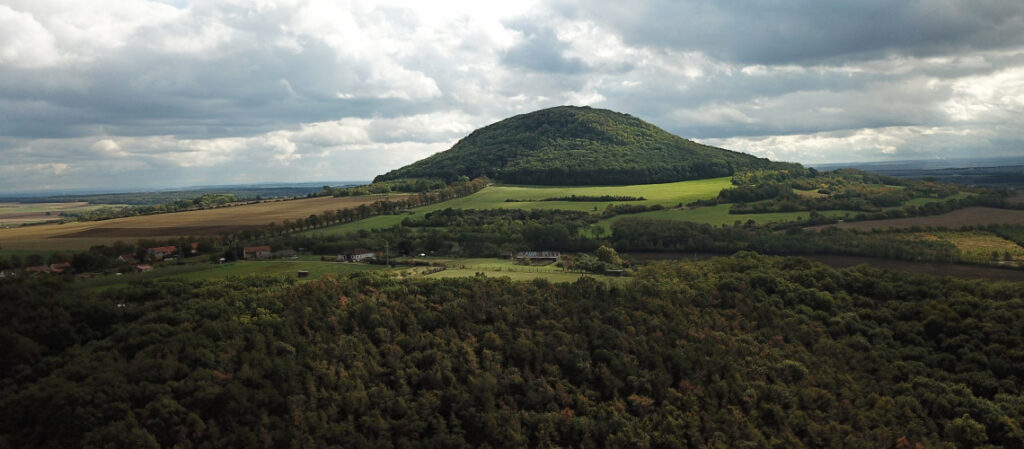
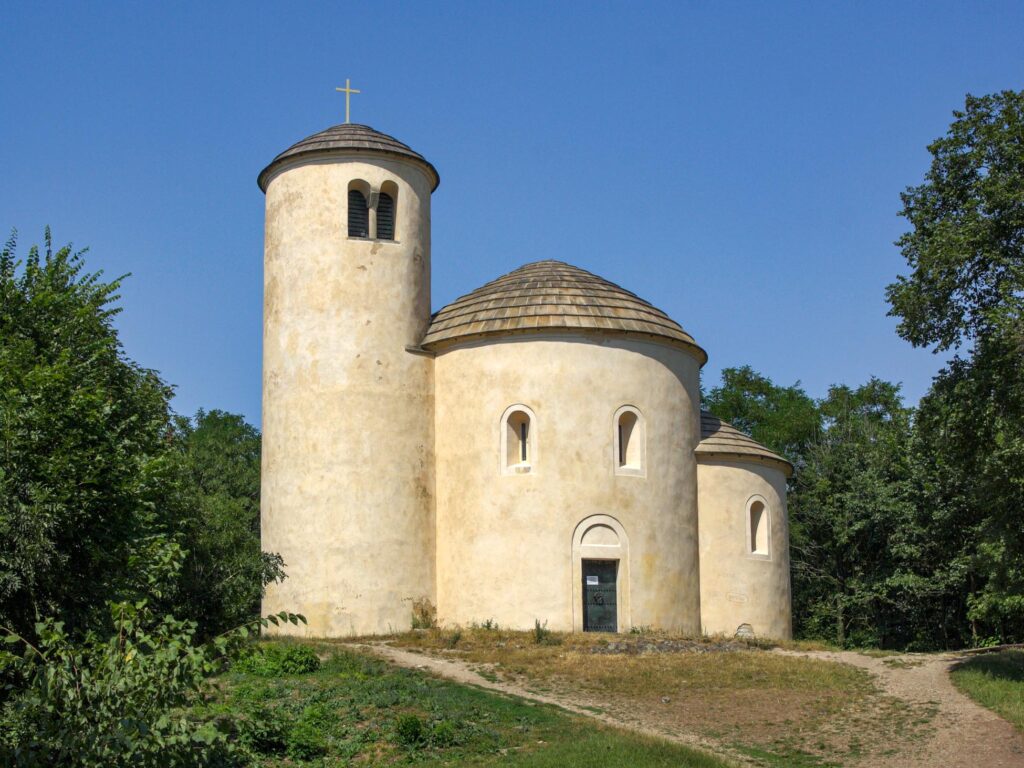
From the forest behind Jeviněvsí we head to Honorable and further around the spring Hamlouf directly to the top of the sacred Czech mountain Rip (461 m). This bell-shaped basalt table mountain (the remains of a Tertiary volcano) rises alone from the plain of the agricultural landscape between Mělník and Roudnice nad Labem as its important landmark. According to legend, first recorded in the early 12th century by Kosmas, it was the place where the first Slavs settled, led by the forefather Čech on his arrival in his new homeland. Říp, which is indeed located in the center of the former Slavic settlement, was, however, uninhabited in the early Slavic period. At its peak
There is a beautiful Romanesque rotunda of St. George, which was first mentioned in 1126; its current appearance is, however, the result of a purist reconstruction from the second half of the 19th century. We will explore the mountain's summit plateau, visit all its viewpoints and then set off on the red trail through Straight and Krabčice to Krabčice game reserves to the top Hosteraz (266 m) until we finally reach Roudnice nad Labem. In Roudnice we will visit the Gallery of Modern Art and from there we will return to Prague by train.
"Say - it is! It's not a rumor
It rises, a little hazy, in the region
like a discarded helmet,
like a lump not smoothed at all,
until you feel the weight of all that dirt,
Kamil BEDNÁŘ
giant's loaf,
and it's a little bit sacredly terrifying,
as it rises from the clear sky
in a lovely horizontal"
"I believe that a lot of good would come from a change in attitude if tourists became pilgrims again."
Rupert Sheldrake
PILGRIM, zs – contact:
- Jiří Zemanek, email: sarvanga1@seznam.cz, mobile: 777 117 466
- Tomas Hruza, email: tomashruza@gmail.com, mobile: 775 052 607
- Barbora Kinkalova, email: b.kinkalova@seznam.cz, 776 123 969
We do not charge any fees for the pilgrimage. However, you can support our Pilgrim association with a monetary donation, which you can send to our account number at Fio banka as: 2901522796/ 2010.